
Esta empresa no tiene empleos activos

Acheter Un Permis De Conduire
Nosotros
What Is Obtain Driver’s License In France And How To Utilize What Is Obtain Driver’s License In France And How To Use
Obtaining a Driver’s License in France
Acquiring a driver’s license in France is a structured procedure that varies based upon a number of aspects, consisting of the candidate’s age, nationality, and language efficiency. Whether a resident or a foreign nationwide, understanding the step-by-step procedure is vital for navigating the French bureaucracy efficiently. This extensive guide intends to provide all the essential info to obtain a motorist’s license in France, consisting of application steps, needed documents, expenses, and frequently asked questions.
Summary of the French Driver’s License
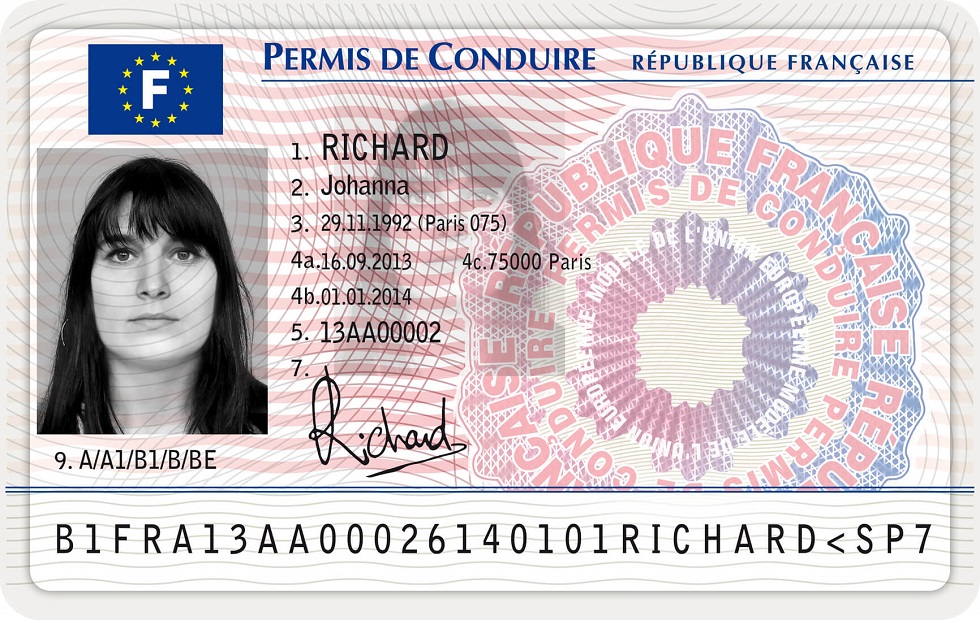
In France, the driver’s license (Acheter Un Permis De Conduire LéGal de conduire) is categorized mostly into a number of classes:
| License Category | Description |
|---|---|
| B | For passenger cars, including vans (up to 3.5 loads). |
| A1 | For light motorbikes (approximately 125cc). |
| A2 | For heavier motorcycles (over 125cc however under 35kW). |
| A | For all motorcycle categories. |
| C | For large vehicles (trucks over 3.5 heaps). |
| D | For traveler transport vehicles (buses). |
This blog will mainly focus on the process of obtaining a Category B license, which is the most commonly sought after by new chauffeurs in France.
Step-by-Step Process to Obtain a Driver’s License in France
1. Figure out Eligibility
To receive a French chauffeur’s license, the candidate needs to satisfy the following criteria:
- Age: The minimum age for a Category B license is 18 years.
- Residency: Applicants need to have legal residency in France or be a citizen of a European Union (EU) nation. Foreign nationals from beyond the EU might have to present additional documents.
2. Register in Driving School
While it’s possible to take the useful driving examination without attending a driving school, it’s extremely suggested to enlist in a licensed driving school (auto-école). This step provides detailed driver education and training, covering both theoretical and practical aspects.
3. Get ready for the Theoretical Exam
This theoretical part of the exam is called the «Code de la route,» which covers traffic laws, indications, and roadway security. It is mandatory to pass this test before carrying on to the useful driving test.

| Theoretical Exam Details | Description |
|---|---|
| Duration | 40 minutes |
| Variety of Questions | 40 multiple-choice questions |
| Passing Grade | A minimum of 35 correct answers |
4. Take the Practical Driving Test
After passing the theoretical test, candidates can schedule their useful driving test. The practical part usually involves a driving trainer assessing their skills on real roadways over a period of approximately 25 minutes.
| Practical Driving Test Details | Description |
|---|---|
| Period | About 25 minutes |
| Assessment | Based upon set requirements (driving, parking, etc) |
| Passing Grade | Must score less than 20 points (out of 31) |
5. Required Documents
When obtaining the chauffeur’s license, candidates must offer:
- Proof of identity (passport, national ID card)
- Proof of residence in France (current utility bill, rental contract)
- A medical certificate (not older than 12 months)
- Theoretical and practical test results
- 2 passport-sized photographs
- Payment for the test charges (varies by driving school)
6. Requesting the License
As soon as the candidates have actually effectively completed both examinations, they ought to request their chauffeur’s license through the regional prefecture or police headquarters. The following files are usually required during application:
| Documents Required | Description |
|---|---|
| Completed Application Form | Available at the local prefecture or online |
| Proof of Identity | Passport or national ID card |
| Evidence of Residency | Recent costs or official document |
| Medical Certificate | Provided by a medical professional |
| Examination Results | Both theoretical and practical |
| Photos | 2 current passport-sized pictures |
| Payment | License cost (around EUR25-EUR50) |
7. Await the License Issuance
Lastly, after sending the application, it generally takes about 2 to 6 weeks for the license to be processed and sent.
Cost Overview
Here’s a summary of the overall expenses you might come across throughout the procedure:
| Cost Item | Approximated Cost (in Euros) |
|---|---|
| Driving School Fees | EUR1,200 – EUR2,000 |
| Theoretical Exam | EUR30 – EUR60 |
| Practical Driving Test | EUR100 – EUR200 |
| Administrative Fees | EUR25 – EUR50 |
| Total Estimated Cost | EUR1,500 – EUR2,300 |
Often Asked Questions (FAQ)
1. Can I drive in France with a foreign license?
Yes, if your foreign license stands and released in a language that is either French or English, you can drive in France for approximately one year. After this period, you might need to exchange it for a French license.
2. The length of time is a French driver’s license valid?
The French chauffeur’s license is valid for 15 years. After this period, it must be restored.
3. What should I do if I fail the driving test?
If a candidate stops working the useful driving test, they can retake the test. There is no waiting duration to retake it in France, however they may need to pay additional charges.
4. Can I use an automatic automobile to take the driving test?
Yes, if you take your driving test in an automatic cars and truck, your motorist’s license will be limited to automatic cars just.
5. What if I don’t speak French?
For non-French speakers, many driving schools use guideline in other languages. Nevertheless, the exams are usually conducted in French, so it may be useful to review basic driving vocabulary.
Obtaining a driver’s license in France involves navigating a number of actions, from selecting a driving school to successfully passing the needed exams and making an application for the license itself. Comprehending the requirements and treatments ahead of time can ease the procedure considerably. While the costs can be substantial, the advantages of having a motorist’s license in France– enjoying mobility and the liberty to explore its lovely landscapes– far exceed the difficulties. Whether you are a resident or a newcomer, following this guide will ensure you are well-prepared to strike the French roadways with confidence.