

Esta empresa no tiene empleos activos
Nosotros
A Rewind What People Talked About Downpipes 20 Years Ago
Understanding Gutter Downpipes: Function, Importance, and Maintenance
When it comes to home facilities, one frequently ignored aspect is the Gutter Installation downpipe. These channels serve an important role in managing rainwater and securing your home from potential water damage. In this article, we dig into the function, types, installation, maintenance, and often asked questions regarding gutter downpipes.
What Are Gutter Downpipes?
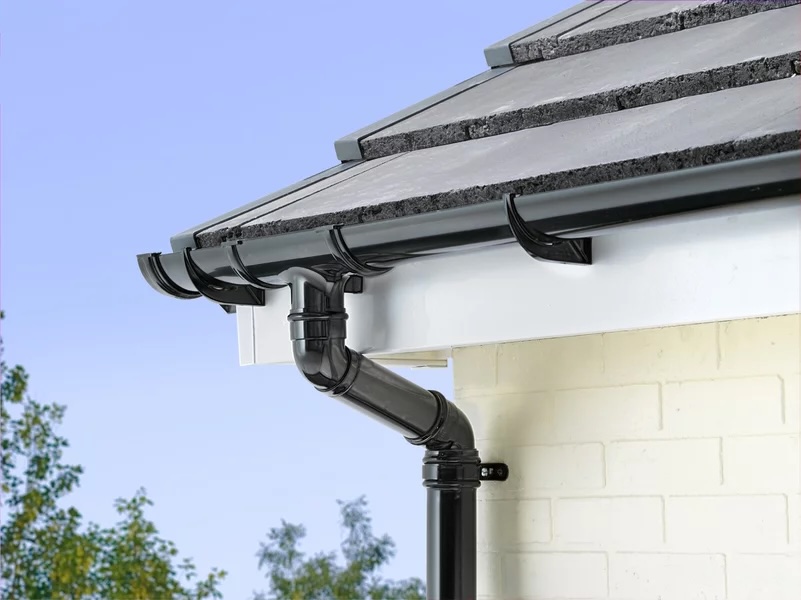
Gutter downpipes, likewise understood as drains or downspouts, are vertical pipelines that connect to the horizontal gutters on a roof. Their main function is to direct rains collected in the gutters down to the ground and far from the structure’s structure. This assists prevent flooding, wetness, and structural damage, Downspouts making downpipes an essential component of a home’s water drainage system.
Function and Importance of Gutter Downpipes
To much better understand the significance of gutter downpipes, let’s detail their main functions:
| Function | Description |
|---|---|
| Water Management | Channels rainwater securely away from the structure |
| Roof Protection | Helps prevent Roof Drainage leakages by directing water away |
| Structure Preservation | Guards versus erosion and water pooling around the home |
| Prevention of Pest Problems | Minimizes standing water, lowering mosquito breeding areas |
| Mould and Mildew Prevention | Reduces dampness that can lead to unhealthy living conditions |
Other Benefits
- Aesthetic Appeal: Properly positioned downpipes perfectly mix with a home’s architecture.
- Increased Longevity: Protecting your roof and foundation reduces wear and tear gradually.
Kinds Of Gutter Downpipes
Comprehending the different types of gutter downpipes can assist house owners select the right option for their requirements. Below is a table categorizing each type based on product and design.
| Material | Description | Factors to consider |
|---|---|---|
| PVC | Light-weight, inexpensive, and easy to set up. | May end up being brittle over time. |
| Aluminum | Resilient and corrosion-resistant. | Can dent; needs periodic painting. |
| Steel | Very strong and robust, suitable for sturdy usage. | Prone to rust without protective finish. |
| Copper | Extremely durable, appealing patina develops over time. | Pricey and Best Guttering requires professional installation. |
| Cast Iron | Traditional and extremely durable. | Heavy and requires structural support. |
Style Options
- Square vs. Round Downpipes: Square downpipes may provide a more contemporary look, while round ones are often preferred for conventional homes.
- Ornamental Shapes: Some homeowners opt for customized shapes that align with the architectural style of their home.
Installation of Gutter Downpipes
Appropriate installation of gutter downpipes is vital for effective water management. Here’s a detailed guide to ensure a successful installation:
- Measure: Determine the height and angle needed for the downpipe.
- Select the Right Material: Based on your climate, visual preferences, and budget.
- Cut the Pipe: Use a pipe cutter to ensure cool edges for much better joints.
- Connect to Gutters: Securely connect the downpipe to the gutter outlet utilizing brackets.
- Protect to Wall: Use wall brackets or straps to attach the downpipe to the side of the building, ensuring it stays stable.
- Connect to Drainage System: If applicable, link the downpipe to a below ground drainage system to direct water away from the home.
Maintenance Tips for Gutter Downpipes
Regular maintenance of gutter downpipes is vital for longevity and efficiency. Here’s a list to keep them in optimum condition:
- Regular Cleaning: Remove debris like leaves and branches regularly to prevent obstructions.
- Examine for Leaks: Check joints and seams for any signs of leaking or deterioration.
- Look for Rust or Damage: Look for signs of rust, especially in metal downpipes. Think about repainting where required.
- Ensure Proper Alignment: Make sure the downpipe lines up properly with the gutter to enable effective water flow.
- Inspect Drains: Ensure connected drains are without obstructions to permit suitable drainage.
FAQs About Gutter Downpipes
1. How frequently should I clean my gutter downpipes?
It is generally suggested to tidy gutter downpipes at least two times a year, especially in spring and autumn, when particles accumulation is most likely.
2. What are the signs that my downpipes require maintenance?
Try to find signs such as overruning gutters, leaks in the downpipe, or pooling water around the base of your home, which might indicate a blockage.
3. Can I install gutter downpipes myself?
While it’s possible for DIY lovers to install downpipes, appropriate installation requires measuring, cutting, and securing that might be best left to professionals, specifically for high or complex roofings.
4. What type of downpipe is the very best for locations with heavy rains?
For regions with heavy rainfall, steel or cast iron downpipes might offer the required resilience and strength over lighter products.
5. How can I enhance the performance of my gutter downpipes?
Ensuring that the gutters are clear and devoid of debris will make the most of the effectiveness of downpipes. Regular assessments and timely maintenance likewise add to boosted performance.
Gutter downpipes are an essential component of a home’s water management system, playing an essential role in securing your home from water damage. Comprehending their purpose, types, installation methods, and maintenance standards can empower homeowners to protect their financial investment successfully. With correct care and understanding, gutter downpipes can secure homes for years to come, ensuring a safe and dry living environment.