Esta empresa no tiene empleos activos
Nosotros
Five Killer Quora Answers To Fascia And Soffit Contractor
Understanding Fascia and Soffit: The Essential Role of Contractors
When it pertains to home building and construction and restoration, some elements may seem simply aesthetic, while others play a vital practical function. One such combination is fascia and soffit. These parts not just impact the total look of a building but also contribute considerably to its durability, energy effectiveness, and maintenance convenience. This article will explore the importance of fascia and soffit, the function of specialists in their installation, maintenance, and repair, and address some frequently asked concerns.
What are Fascia and Soffit?
Before diving into the function of professionals, it’s important to comprehend what fascia and soffit are and how they work together.
Fascia
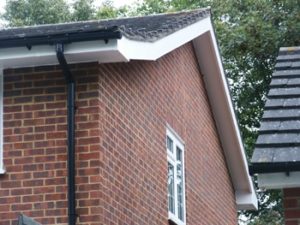
Fascia refers to the horizontal board that runs along the lower edge of the roofing system. It serves multiple purposes:
- It supplies a finished aim to the Roofline Replacement.
- It holds the rain gutters in place.
- It secures the rafters from the elements, helping to decrease water damage.
Soffit
Soffit is the product that connects the fascia to the home, covering the eaves of the roof. The Soffit Replacement can be ventilated or non-ventilated:
- Ventilated soffit allows air to flow in the attic, helping to prevent wetness accumulation and associated concerns.
- Non-ventilated soffit serves primarily as an ornamental covering, supplying a smooth shift in between the roofing edge and the wall.
Table 1: Differences Between Fascia and Soffit
| Feature | Fascia | Soffit |
|---|---|---|
| Position | Horizontal board at the edge of the roof | Vertical board linking the Fascia And Soffit Contractor (Output.Jsbin.Com) to the wall |
| Primary Function | Holds rain gutters, safeguards rafters | Covers eaves, supplies ventilation (if applicable) |
| Aesthetic Role | Develops a finished look | Matches the fascia and overall exterior |
| Ventilation | Non-ventilated | Can be either ventilated or non-ventilated |
The Importance of Fascia and Soffit Contractors
Fascia and soffit installation is not a DIY task for a lot of property owners. Here’s why employing a contractor is important:
Expertise
Fascia and soffit contractors have actually specialized knowledge and experience. They are fluent in:
- Different products (wood, vinyl, aluminum, and so on)
- Local building regulations and guidelines
- Best practices for installation and repair
Quality of Work
A professional contractor makes sure high requirements of craftsmanship. Quality installation can prevent future issues such as:
- Water damage
- Mold development
- Insect infestations
Time and Efficiency
Contractors have the required tools and workforce to complete the project efficiently. This not only lowers the quantity of time needed but also minimizes disturbance to the homeowner’s life.
Warranty and Insurance
Professional specialists typically provide warranties for their labor and the products utilized. This implies that if something goes incorrect, the property owner is covered. Furthermore, certified contractors are generally insured, securing the homeowner from liability in case of mishaps throughout the installation.
Cost-Effectiveness
While working with a contractor may seem like an included expenditure, it can really be more cost-effective in the long run. Poor installation can lead to expensive repairs, which can exceed the preliminary cost savings from a DIY approach.
Elements to Consider When Hiring a Fascia and Soffit Contractor
When choosing a contractor for fascia and soffit work, specific factors need to be taken into consideration:
Experience
- Try to find contractors who focus on fascia and soffit installation.
- Request references or examples of previous tasks.
Licenses and Insurance
- Confirm that the contractor has the needed licenses for your area.
- Ensure they bring liability insurance and employees’ settlement protection.
Evaluations and Ratings
- Examine online reviews and rankings from previous consumers.
- Consider requesting for recommendations from good friends or household.
Composed Estimates
- Acquire written quotes from numerous specialists.
- Guarantee that estimates include an in-depth breakdown of expenses.
Guarantee Information
- Ask about the service warranties supplied for both materials and labor.
Maintenance and Repair of Fascia and Soffit
Even with professional installation, fascia and soffit need routine maintenance to guarantee they remain in optimal condition. Here are some tips for homeowners:
Regular Inspections
- Set up yearly examinations to look for signs of damage, rot, or insect concerns.
Cleaning up
- Tidy gutters routinely to avoid water overflow, which can harm fascia.
- Eliminate particles that collects in the soffit to prevent obstructions.
Painting and Sealing
- If wooden fascia or soffit is used, it needs to be painted or sealed routinely to prevent water damage.
Prompt Repairs
- Attend to any indications of damage right away to avoid more problems.
FAQ
Q1: How typically should fascia and soffit be replaced?
A1: The life-span of fascia and soffit products differs. Wood may last 10-20 years, while vinyl can last 20-40 years. Routine maintenance can extend their lifespan.
Q2: Can I install fascia and soffit myself?
A2: While it is possible for skilled DIYers to carry out the project, employing specialists is advisable due to the intricacies involved in correct installation and ensuring compliance with local codes.
Q3: What products are suggested for fascia and soffit?
A3: Common products include vinyl, aluminum, and wood. Vinyl is low maintenance and durable, aluminum is weather-resistant, and wood offers a traditional look but needs routine maintenance.
Q4: How do I understand if my fascia or soffit needs repair?
A4: Look for indications such as peeling paint, decomposing wood, insect problems, or sagging rain gutters. If you observe any of these concerns, it might be time to consult a contractor.
Q5: What is the expense of installing fascia and soffit?
A5: Installation costs can vary commonly depending on aspects like material option, job size, and labor rates. Typically, costs can vary from ₤ 5 to ₤ 15 per direct foot, omitting labor.
Fascia and soffit play vital roles in the structural integrity and aesthetic appeal of a home. Employing a well-informed contractor for installation and maintenance is vital to making sure these aspects serve their designated function effectively. By understanding the value of Fascia And Soffit Maintenance and soffit and the value of professional help, house owners can make educated decisions that benefit their residential or commercial properties in the long term. Whether through installation, maintenance, or repair, the right contractor can make all the distinction in preserving the charm and performance of a home.