
Esta empresa no tiene empleos activos

Manual Running Machine
Nosotros
5 Killer Quora Answers On Non-Folding Treadmill
The Comprehensive Guide to Non-Folding Treadmills
When it comes to home workout equipment, treadmills stay a popular choice for physical fitness lovers of all levels. Among the different kinds of treadmills readily available in the market, non-folding treadmills are known for their robust building and construction and stability. This article will explore the benefits, features, and considerations of non-folding treadmills, supplying you with all the details you need to make an informed choice.
What is a Non-Folding Treadmill?
A Non-Folding Treadmill, have a peek here, is a fixed workout machine developed for running or walking without the alternative to fold it up for storage. These treadmills are generally heavier and sturdier than their folding equivalents, offering a solid workout experience that can accommodate both newbies and advanced users.
Key Features of Non-Folding Treadmills
Non-folding treadmills boast a variety of functions that make them appropriate for numerous physical fitness levels. Below are a few of the important features and specs to consider:
| Feature | Description |
|---|---|
| Motor Power | Normally ranges from 2.0 to 4.0 HP, offering reliable and constant efficiency. |
| Running Surface | More spacious belt locations, usually 20″ x 60″ or bigger, permitting for comfortable strides. |
| Maximum Speed | A lot of can reach speeds of as much as 12 mph, ideal for both walking and running. |
| Slope Options | Lots of models use automated or Cheap Manual Treadmill slope settings to improve exercise intensity. |
| Weight Capacity | Generally greater weight capability (300 pounds or more) to accommodate a broader series of users. |
| Resilience | Built with stronger materials, contributing to a longer lifespan and less requirement for repair work. |
| Console Features | User-friendly display screens showcasing speed, distance, time, calories burned, and heart rate. |
| Safety Features | Often include an emergency situation stop button and handrails for included security during exercises. |
Advantages of Non-Folding Treadmills
When considering which treadmill to acquire, understanding the benefits of non-folding designs can help guide your decision. Below are numerous benefits of non-folding treadmills:
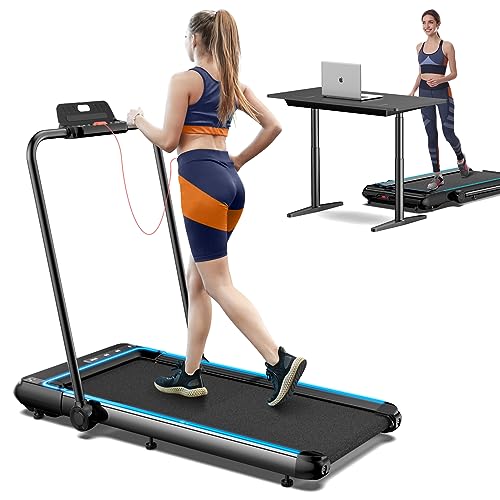
-
Stability and Durability: The strong frame building of non-folding treadmills guarantees a steady and strong workout platform that can handle intense use.
-
Much better for Running: The wider running surface and effective motors make non-folding treadmills ideal for runners wanting to train at higher speeds or slopes.
-
Longer Lifespan: With their robust build, non-folding treadmills tend to have a longer lifespan compared to folding designs, which often feature more moving parts that can break gradually.
-
Less Maintenance Required: Non-folding models normally have less mechanical elements, possibly leading to less regular repair and maintenance.
-
More Features: These devices frequently come equipped with sophisticated features such as integrated exercise programs, Bluetooth connectivity, and heart rate monitoring.
Things to Consider Before Buying a Non-Folding Treadmill
While non-folding treadmills have lots of advantages, they likewise include considerations that prospective buyers should bear in mind:
| Consideration | Description |
|---|---|
| Area Requirements | Non-folding treadmills can take up a significant quantity of area, needing a devoted area. |
| Cost | Normally more expensive due to their resilience and features. |
| Weight | Heavier than folding designs, making them less portable and more tough to move. |
| Setup | Some models might need more effort to assemble, and users need to understand any setup needs. |
Popular Non-Folding Treadmill Models
To help you in your search, here are a couple of popular designs of non-folding treadmills that have gotten favorable evaluations:
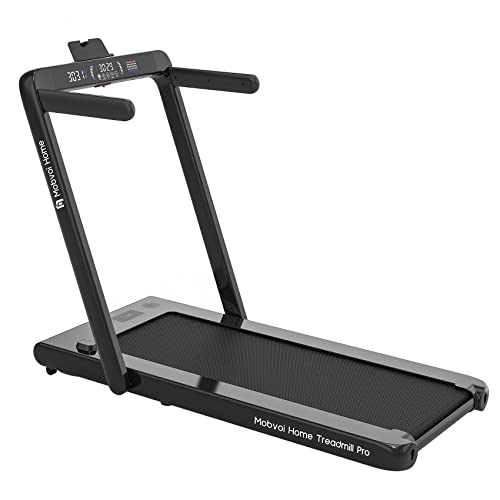
| Brand | Design | Motor Power | Max Speed | Slope Range | Rate Range |
|---|---|---|---|---|---|
| NordicTrack | Industrial 1750 | 3.75 HP | 12 mph | 0-15% | ₤ 1,800 – ₤ 2,000 |
| Sole Fitness | F85 | 3.5 HP | 12 mph | 0-15% | ₤ 1,500 – ₤ 1,800 |
| ProForm | Pro 2000 | 3.5 HP | 12 mph | 0-12% | ₤ 1,000 – ₤ 1,500 |
| Life-span | TR5500i | 3.0 HP | 11 mph | 0-15% | ₤ 1,600 – ₤ 2,000 |
Regularly Asked Questions (FAQ)
1. Are non-folding treadmills ideal for beginners?
Yes, non-folding treadmills can be ideal for beginners. However, it is vital to select a design with adjustable features that accommodate different physical fitness levels.
2. Just how much space do I need for a non-folding treadmill?
Typically, you ought to have at least 6 to 8 feet of space in length and 3 feet of width to accommodate a non-folding Manual Incline Treadmill comfortably.
3. Do non-folding treadmills make sounds?
While non-folding treadmills tend to be quieter than lower-end folding models, sound levels can vary between brands and models. Inspect user reviews for specific noise-related feedback.
4. Can I use a non-folding treadmill for walking?
Definitely! Non-folding treadmills are ideal for both walking and running. Change the speed and slope settings to personalize your workout.
5. How do I keep a non-folding treadmill?
Routine maintenance ought to consist of cleaning the belt and deck, oiling the belt as needed, and making sure that all screws and bolts are tight.
Non-folding treadmills provide a sturdy and reliable choice for those severe about their fitness objectives. With their effective motors, large running surface areas, and advanced functions, they cater to a series of workout designs and intensities. While they might need a bigger space and a greater financial investment, the long-lasting benefits of durability and performance often surpass these factors to consider. Before buying, assess your physical fitness needs, offered area, and budget to guarantee you pick the very best non-folding treadmill for your home workout regimen.