
Esta empresa no tiene empleos activos

Mitersaw
Nosotros
Mitering Saw Tools To Help You Manage Your Everyday Lifethe Only Mitering Saw Trick Every Individual Should Be Able To
The Comprehensive Guide to Mitering Saws: Your Essential Carpentry Companion
When it comes to woodworking and woodworking, having the right tools is important for accomplishing precision and efficiency. Amongst the myriad tools offered, the mitering saw, frequently referred to as a miter saw, stands out as an important instrument for both specialists and DIY lovers. This post delves into the complexities of mitering saws, including their types, features, common applications, upkeep suggestions, and responses to regularly asked questions.
What is a Mitering Saw?
A miter saw is a power tool used to make accurate crosscuts and miters in a workpiece. It operates by turning a circular blade downwards onto the product to make precise cuts at specified angles. This tool is vital for jobs that require precision in cutting angles, such as framing, molding, and cabinets work.
Key Features of Mitering Saws
Mitering saws included a variety of functions that enhance their performance. Below is a table summing up some common features:
| Feature | Description |
|---|---|
| Blade Size | Usually varies between 8 inches and 12 inches. Bigger blades can cut thicker materials. |
| Miter Angles | Normally adjustable from 0 to 50 degrees in both instructions, permitting for flexible cuts. |
| Bevel Functionality | Many designs offer single or dual Double Bevel Mitre Saw choices, enabling angled cuts on both sides of the workpiece. |
| Laser Guide | Provides a visible line for precise cuts, improving precision and reducing errors. |
| Dust Collection Port | Designed to help minimize particles and enhance work area tidiness. |
| Security Features | Includes functions like electric brakes and security guards for user security during operation. |
Types of Mitering Saws
Mitering saws can be classified into three primary types, each serving various cutting requirements:
-
Standard (Chop) Miter Saw: The many fundamental type, it permits straightforward crosscuts and angled cuts. However, it lacks the capability to bevel, which restricts its versatility.
-
Compound Miter Saw: This type can tilt to produce angled cuts on one side (single bevel). It’s ideal for cutting crown moldings and other decorative materials.
-
Sliding Compound Miter Saw: The most versatile option, it includes a sliding arm that enables the blade to move back and forth. This enables users to cut wider materials without needing to reposition them.
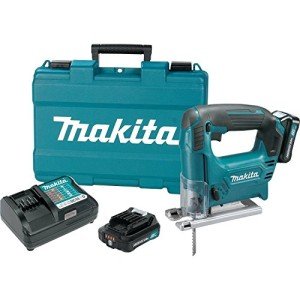
Here’s a succinct contrast of these types:
| Type | Bevel Capability | Sliding Capability | Best For |
|---|---|---|---|
| Standard Miter Saw | No | No | Fundamental crosscuts and angled cuts. |
| Compound Miter Saw | Single Bevel | No | Crown molding and small trim work. |
| Sliding Compound Miter Saw | Dual Bevel (some designs) | Yes | Wide baseboards and bigger workpieces. |
Common Applications of Mitering Saws
Miter saws are extremely flexible and find applications in numerous domains:
- Framing: Constructs walls, roofings, and other structures.
- Molding: Cuts different shapes and sizes for trim and ornamental accents.
- Cabinets: Accurate cuts for door frames, shelving, and kitchen cabinetry.
- Flooring: Ensures precise cuts for wood, laminate, and tile floor covering installations.
Maintenance Tips for Mitering Saws
To lengthen the life-span and efficiency of a miter saw, correct maintenance is important. Here are some necessary maintenance suggestions:
-
Regular Cleaning: Remove accumulated dust and debris after each use, particularly from the blade and surrounding locations.
-
Blade Maintenance: Inspect the blade for dullness and nicks. Routinely hone or change it to preserve cutting performance.
-
Lubrication: Apply lubricant to the pivot points and sliding mechanisms to make sure smooth operation.
-
Calibration: Periodically check and adjust the miter and bevel settings for accuracy.
-
Examine Cords and Connections: Ensure that power cables are intact and connections are protected to avoid electrical threats.
FAQ: Mitering Saws
1. What is the distinction between a miter saw and a table saw?
Miter saws make angled cuts and crosscuts at particular lengths, while table saws are mainly utilized for straight cuts on bigger sheets of product. Miter saws are more portable and perfect for specifically angled cuts.
2. Can I use a miter saw for rip cuts?
While it’s technically possible to carry out rip cuts on a miter saw, it’s not advised. A table saw is created specifically for rip cuts and will supply more accuracy and security.
3. What size miter saw should I choose?
The size of the miter saw should depend upon the jobs you plan to undertake. For general usage, an 10-inch design will suffice, while experts or those dealing with larger jobs may opt for a 12-inch model.
4. Are miter saws safe to use?
Yes, miter saws are safe when used appropriately. Constantly follow the manufacturer’s guidelines, wear suitable security equipment, and make use of the saw’s safety features.
5. How can I ensure exact cuts with a miter saw?
To achieve accurate cuts, guarantee your material is securely secured, use a sharp blade, adjust your miter and bevel settings before use, and follow a constant cutting strategy.
The mitering Mitre Saw Sale is a fundamental tool that every woodworker must have in their toolbox. Whether you’re a novice taking on your very first DIY project or an experienced professional taking on elaborate designs, comprehending the functionality and upkeep of mitering saws can substantially boost your workmanship. By choosing the ideal kind of saw for your requirements and adhering to Best Sliding Mitre Saw UK practices for upkeep, you can make sure success in your woodworking endeavors.