
Esta empresa no tiene empleos activos

ÖSD Prüfung B2 In Deutschland
Nosotros
20 Resources To Help You Become Better At ÖSD B1
Understanding the ÖSD B1 Exam: A Comprehensive Guide
The Österreichisches Sprachdiplom Deutsch (ÖSD) is a popular accreditation that measures the German language proficiency of non-native speakers. Amongst various levels, the B1 exam acts as a crucial turning point for students. It verifies that candidates have reached an intermediate level of efficiency, permitting them to browse everyday scenarios in German-speaking environments.
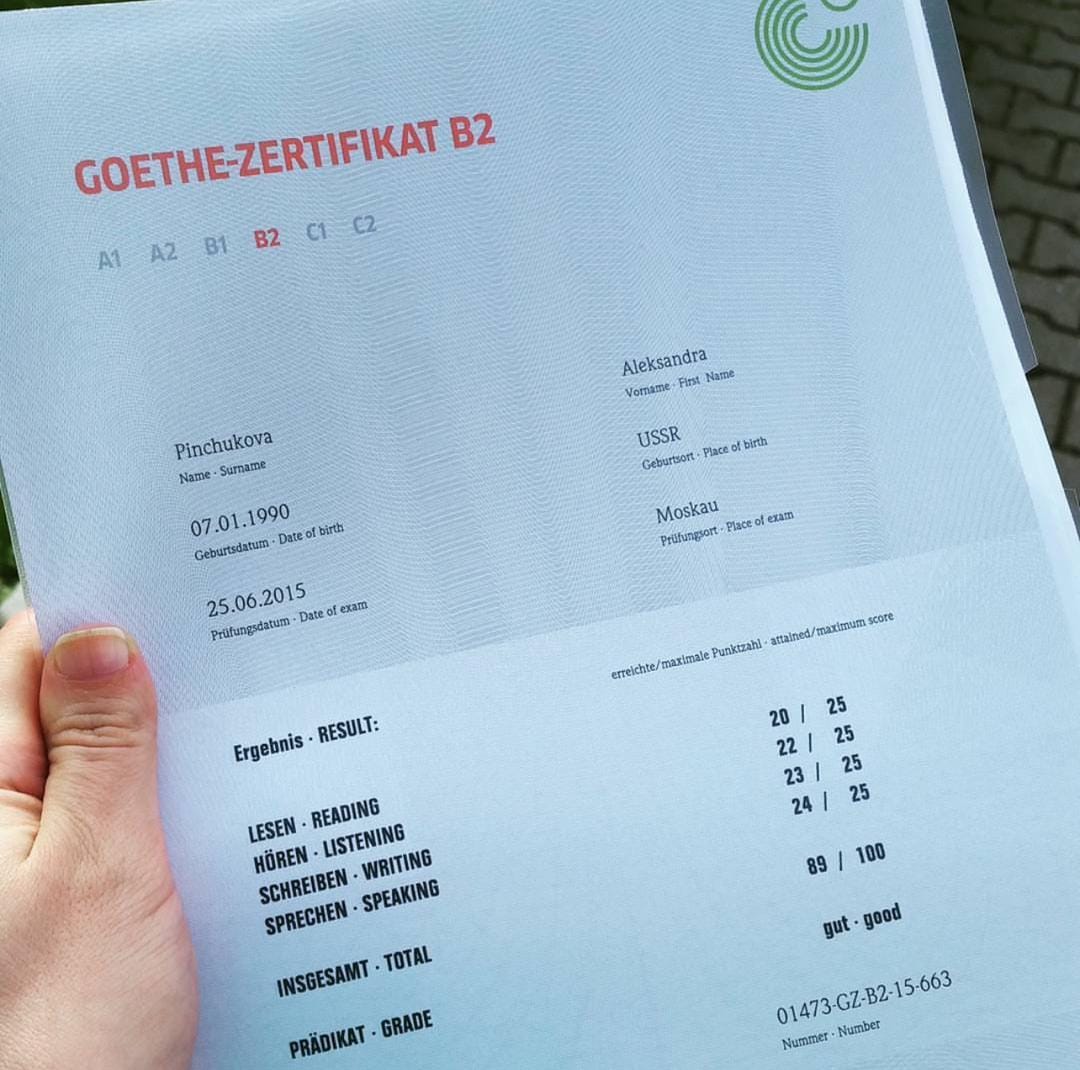
This blog site post provides a comprehensive introduction of the ÖSD B1 OSD exam, including its structure, preparation strategies, and regularly asked concerns.
Overview of the ÖSD B1 Exam
The ÖSD B1 exam evaluates candidates on their ability to understand and talk, understand composed information, and produce written texts in German. This level suggests that candidates can manage language in familiar circumstances and express individual viewpoints on subjects that interest them.
Exam Structure
The ÖSD B1 exam is divided into four key parts: Listening, Reading, Writing, and Speaking. Each section carries a specific weight and includes different tasks.
| Exam Component | Period | Tasks Description | Weight |
|---|---|---|---|
| Listening | 30 minutes | Candidates listen to discussions, conversations, or presentations and answer corresponding questions. | 25% |
| Reading | 30 minutes | Involves understanding texts, such as articles or ads, and finishing understanding jobs. | 25% |
| Writing | Thirty minutes | Prospects write a brief text, such as an e-mail or an individual letter, based upon a provided prompt. | 25% |
| Speaking | 15 minutes | This area generally consists of a discussion with an examiner, covering numerous everyday subjects. | 25% |
Scoring System
The ÖSD B1 exam utilizes a points-based scoring system, which is additional divided into levels varying from A (most affordable) to C (highest). Prospects should accomplish a minimum rating across all exam components to pass.
| Rating Range | Level |
|---|---|
| 0 – 50 | Fail |
| 51 – 80 | A (standard) |
| 81 – 100 | B (satisfying) |
| 101 – 130 | C (great) |
Importance of the B1 Exam
The ÖSD B1 certificate is recognized internationally and can be beneficial for numerous functions, including:
- Educational Opportunities: Many universities require a B1 level for enrollment in German-taught programs.
- Employment Prospects: Knowledge of German at the B1 level can enhance task potential customers, especially in German-speaking countries.
- Visa Requirements: Certain visa applications need proof of language proficiency, where a B1 certificate might be vital.
Effective Preparation Strategies
Preparing for the ÖSD B1 exam requires commitment and thoughtful methods. Below are numerous reliable approaches to help candidates be successful.
1. Understand the Exam Format
Familiarity with the exam structure and kinds of jobs can substantially decrease stress and anxiety on exam day. Candidates must evaluate past exam documents and sample concerns.
2. Utilize Online Resources
Numerous online platforms offer complimentary or paid resources to help students prepare. These normally consist of practice exams, tutorials, and interactive exercises.
3. Practice Speaking Regularly
Sign up with language exchange groups or online platforms where German speakers collect to practice conversations. Daily speaking practice will develop self-confidence and fluency.
4. Engage with German Media
Watching German movies, listening to German music, and reading German papers or books can improve understanding and vocabulary. Immersion is type in language learning.
5. Take Language Classes
If possible, register in an ÖSD exam preparation course at a regional language school. Expert instructors can offer important insights and tailored learning experiences.
6. ** Create a Study Schedule **
Plan a study timetable that assigns time for each exam element. Constant practice over weeks or months is more efficient than cramming before the exam.
Frequently Asked Questions (FAQ)
1. What is the passing rating for the ÖSD B1 exam?
The passing rating differs, however candidates typically need to accomplish a minimum of 51 total points.
2. For how long does the ÖSD B1 certificate last?
The ÖSD B1 certificate does not end; nevertheless, it might be smart to take another exam if several years have passed considering that acquiring the certificate, as language efficiency might reduce with time.
3. Can the ÖSD B1 exam be taken online?
Currently, the ÖSD B1 exam is mainly used in physical testing centers; nevertheless, options for online evaluation might become readily available as technology progresses.
4. Is the ÖSD B1 exam recognized globally?
Yes, the ÖSD B1 certificate is extensively recognized by universities and employers in German-speaking countries and beyond.
5. What resources can I utilize for preparation?
Resources such as ÖSD course books, online language platforms like Duolingo, and practice test websites can significantly help your preparation efforts.
The ÖSD B1 exam functions as a stepping stone for many who desire improve their German language abilities and pursue further chances in German-speaking environments. With sufficient preparation, a clear understanding of the exam structure, and a robust study plan, candidates can approach their exam with self-confidence. As they prepare, they’ll discover themselves not just improving their German proficiency however likewise getting insights into cultural contexts and real-world applications of the language.
By comprehending what to expect and how to prepare efficiently, candidates can set themselves up for success in attaining the ÖSD B1 certification.