Esta empresa no tiene empleos activos

Purchase Fake Money
Nosotros
Buy Fake Rupees: A Simple Definition

The Risks and Realities of Buying Fake Rupees: What You Need to Know
The appeal of counterfeit currency has actually been a subject of fascination and fear for years. While some people may be tempted to Buy Counterfeit Money fake rupees for numerous factors, it is important to navigate this hazardous terrain with care and awareness. This blog post explores the implications, legality, and possible consequences of buying fake Indian rupees, supplying essential insights for those curious about the topic.
Comprehending Counterfeit Currency
Counterfeit currency refers to fake money that is produced with the intent to imitate genuine currency and trick others into accepting it as genuine. The production and distribution of counterfeit money is a crime in most countries, consisting of India.
Why Do People Buy Fake Rupees?
There are numerous factors that may drive individuals to think about buying fake currency, despite the fact that it is illegal.
| Reason | Description |
|---|---|
| Fraud | Some people may look for to utilize fake currency for fraudulent activities, such as frauds. |
| Symbolic Use | In uncommon cases, fake currency might be used for educational or symbolic functions, like art. |
| Novelty Items | Some people may Buy Fake CNY fake currency as a novelty product or for usage in entertainment settings. |
| Gambling | Certain betting operations may handle fake currency, allowing players a more inexpensive chance at winning. |
However, in spite of these factors, the dangers associated with purchasing fake rupees far exceed any perceived advantages.
Legal Implications of Buying Fake Rupees
Buying, having, or dispersing counterfeit currency is prohibited in India under the Indian Penal Code (IPC) and the Reserve Bank of India (RBI) standards. Charges can be extreme and include:
- Fines: Offenders might face hefty fines imposed by the government.
- Jail time: Individuals captured with counterfeit currency can face several years in jail.
- Bad guy Record: A conviction for currency counterfeiting can cause a permanent rap sheet, impacting future work and monetary opportunities.
Key Legal Provisions:
| Provision | Description |
|---|---|
| Indian Penal Code, Section 489A | Penalty for counterfeiting currency, including a fine or jail time for 2 years. |
| Indian Penal Code, Section 489B | Handle the usage of counterfeit currency, with penalties comparable to Section 489A. |
| Reserve Bank of India Act, 1934 | Governs the issuance and management of currency in India, consisting of steps against counterfeiting. |
The Dangers of Counterfeit Currency
Buying fake rupees is not only illegal but likewise comes with substantial threats. Understanding these threats can function as a deterrent.
Threats Involved:
-
Financial Loss: Purchasing counterfeit currency could cause total financial loss, specifically if one plans to utilize it for transactions, as it holds no worth.
-
Criminal Charges: Engaging in the Purchase Counterfeit Bills or sale of counterfeit currency might lead to criminal charges, resulting in jail time and fines.
-
Damage to Reputation: Being caught with fake currency can significantly damage a person’s reputation, impacting individual and expert relationships.
-
Victims of Fraud: There is a high threat of being scammed by counterfeiters. Numerous individuals selling Fake Money Maker rupees are not trustworthy, typically leaving purchasers high and dry.
How to Spot Counterfeit Currency
For those who come across counterfeit currency in their negotiations, understanding how to recognize fake notes can be essential. Here are some pointers:
Features to Check:
| Feature | Description |
|---|---|
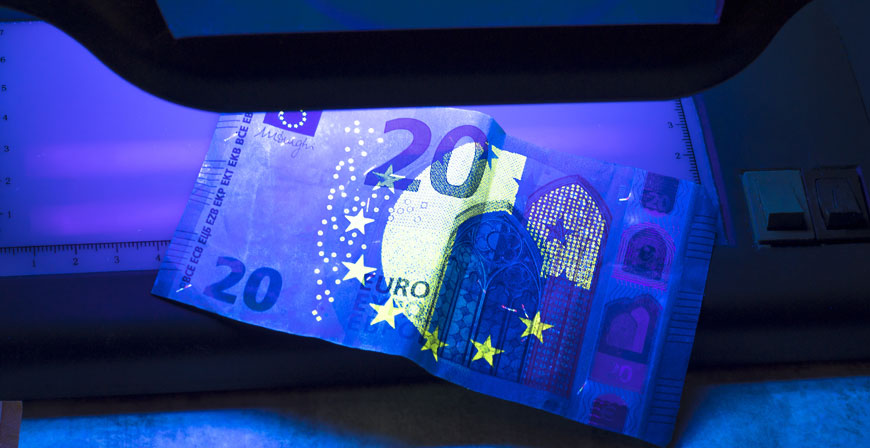
| Watermark | Genuine Indian currency has a watermark when held against light; fake notes frequently lack this feature. |
| Security Thread | Genuine currency has a security thread embedded in the paper, which is absent or poorly printed in counterfeit notes. |
| Microprinting | Look for microprinted text on authentic currency; counterfeit notes usually have unclear or missing microprinting. |
| Color Shifting Ink | Some denominations utilize color-shifting ink that alters color when slanted, not present in counterfeit notes. |
| Touch and Texture | Authentic currency has an unique texture and weight that counterfeit notes frequently fail to reproduce successfully. |
Regularly Asked Questions (FAQs)
Q1: Is it possible to get away with purchasing fake rupees?
A1: While some individuals may attempt to go undetected, the legal and ethical implications make it highly risky. Police actively examine and prosecute counterfeiting cases.
Q2: Can I report someone selling fake rupees?
A2: Yes, if you presume someone is selling counterfeit currency, you ought to report them to regional authorities or the Reserve Bank of India.
Q3: Are there legal methods to acquire currency reproductions?
A3: Yes, collectors and historians can Buy Counterfeit Money Deep Web reproductions or memento notes, which are licensed and do not imitate making use of genuine currency.
Q4: What should I do if I get counterfeit currency unwittingly?
A4: If you find that you have received counterfeit currency, report it to the closest police headquarters and prevent attempting to spend it further.
Q5: Can instructional organizations make use of fake currency for learning functions?
A5: While legality differs, numerous institutions utilize replicas or instructional materials that do not simulate real currency, adhering to legal standards.
The Bottom Line
The temptation to buy counterfeit money deep web fake rupees can come from different motivations, however the possible consequences eventually overshadow any instant benefits. Beyond the legal ramifications, the threats to personal stability and financial security make engaging in such activities inexpedient.
By comprehending the risks and legal implications of counterfeit currency, individuals can make educated decisions and avoid falling into the traps of deceptiveness. In a world where credibility holds significant value, it is smart to look for real experiences, whether in finance, art, or any other element of life.