

Esta empresa no tiene empleos activos
Nosotros
Fascia And Cladding Tips To Relax Your Daily Life Fascia And Cladding Trick That Every Person Must Know
A Comprehensive Guide to Replacement Soffit Boards: Everything You Need to Know
When it concerns preserving the structural integrity and visual appeal of a home, soffit boards play a crucial function. These boards not just boost the visual appeal of a building however also safeguard the underbelly of the roofing system, making sure proper ventilation while safeguarding versus insects and wetness. For homeowners seeking to replace their soffit boards, understanding the various options readily available, signs that a replacement is required, and the overall installation process is necessary. This guide aims to supply an in-depth introduction of replacement soffit boards.
What Are Soffit Boards?
Soffit boards are the product attached to the underside of eaves and roof overhangs. They develop a finished appearance on the underside of a building’s Roofline Maintenance and are frequently made from a variety of materials, consisting of wood, vinyl, aluminum, and fiber cement. Each of these products features its own set of advantages and downsides, which can affect the decision of which to install.
Table 1: Comparison of Soffit Material Options
| Material | Sturdiness | Maintenance | Visual Appeal | Cost | Fire Resistance |
|---|---|---|---|---|---|
| Wood | Medium | High | High | ₤ ₤ | Medium |
| Vinyl | High | Low | Medium | ₤ | Low |
| Aluminum | Extremely High | Low | Medium | ₤ ₤ | High |
| Fiber Cement | High | Medium | High | ₤ ₤ ₤ | Very High |
Indications You Need to Replace Your Soffit Boards
Identifying when it’s time to change soffit boards is vital for keeping your home’s stability. Here are some crucial signs:
- Visible Damage: Look for cracks, holes, or decaying wood. Moisture can result in decay, specifically in wooden soffits.
- Peeling Paint or Finish: This might show underlying moisture problems. Peeling or blistered paint can detract from the look of your home.
- Insect Infestations: Insects such as bees and wasps may develop nests in harmed or inadequately preserved soffits.
- Swelling or Warping: This frequently takes place in wood soffits when they take in moisture. If you see this, replacement is necessary.
- Mold or Mildew: The presence of mold can signal moisture issues, requiring more assessment and replacement.
Table 2: Common Signs of Soffit Damage
| Indication of Damage | Possible Causes | Recommended Action |
|---|---|---|
| Visible damage | Weather exposure, bugs | Replace impacted boards |
| Peeling paint | Wetness, use | Fascia Board Repair or replace soffit |
| Pest invasions | Structural damage | Change and deal with location |
| Swelling or warping | Water exposure | Change with moisture-resistant material |
| Mold or mildew | Inappropriate ventilation | Clean and replace if needed |
Selecting the Right Replacement Soffit Boards
Selecting the best product for replacement soffit boards depends upon several factors consisting of climate, maintenance choice, and budget. Here’s a short summary:
1. Wood
- Pros: Offers a sophisticated, conventional look and can be painted or stained to match the home’s exterior.
- Cons: Requires regular maintenance to prevent rot and bug damage.
2. Vinyl
- Pros: Low maintenance, lightweight, and readily available in various colors and styles.
- Cons: Prone to fading and can end up being breakable in severe temperatures.
3. Aluminum
- Pros: Highly durable and resistant to rust, fire, and insects. Usually requires very little maintenance.
- Cons: Limited color options and can be dented quickly.
4. Fiber Cement
- Pros: Extremely resilient, resistant to bugs, wetness, and fire. Offers a variety of styles and surfaces.
- Cons: Heavier material that can be harder to install, Fascia And Cladding generally comes at a greater cost point.
FAQ
Q1: How frequently need to soffit boards be replaced?A: Soffit boards do not
have a set life-span, however routine assessments are recommended. If you see any indications of damage or wear, it’s best to act quickly. Q2: Can I install replacement Soffit And Fascia Repair boards
myself?A: While some property owners may select to manage the installation as a DIY job, it’s frequently much better to employ a professional– particularly if you are handling the material’s replacement on a considerable scale. Q3: What is the typical cost of replacement Soffit Installation boards?A: The expense can vary extensively
based on the material picked, size of the location being replaced, and labor expenses. On average, costs can vary from ₤ 2 to ₤ 10 per square foot for products and installation. Q4: How can I maintain my soffit boards?A: Routine look for indications of damage, cleaning to eliminate
dirt and particles, and ensuring ventilation can
help lengthen the life of your soffit boards. Installation Process for Replacement Soffit Boards The procedure for changing soffit boards usually follows these actions: Remove the Existing Soffit: Carefully pry off the old soffit boards, making sure no damage to the structure. A reciprocating saw may be essential for tough areas. Examine the Area: Before proceeding, examine the framing for any signs of damage or rot that may need to be dealt with. Step and Cut New Boards: Measure the space precisely and cut the new
boards to fit. Installation: Secure the new soffit boards in location utilizing suitable fasteners. Ensure they fit comfortably and leave space for ventilation.Ending up Touches: Caulk any joints and, if utilizing wood, paint or seal as required for defense.
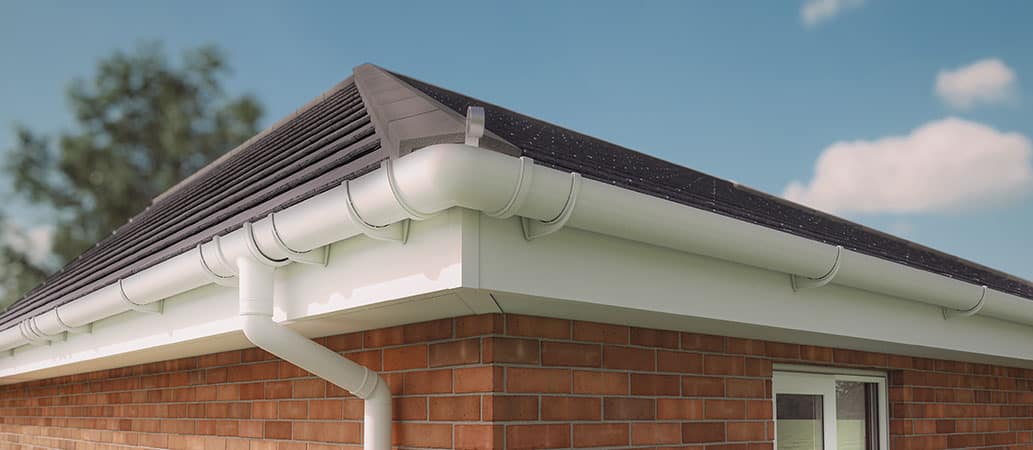
Replacement soffit boards are essential for maintaining both the charm and stability of a home. By understanding the different material choices, acknowledging
when replacement isessential, and embracing an appropriate installation treatment, property owners
can make sure that their homes stay safe and visually pleasing. Routine maintenance and prompt replacement can extend the life of these essential parts, keeping your home looking its best for several years to come.