

Esta empresa no tiene empleos activos
Nosotros
10 Things That Your Family Taught You About Soffit Replacement
Soffit Replacement: A Comprehensive Guide for Homeowners
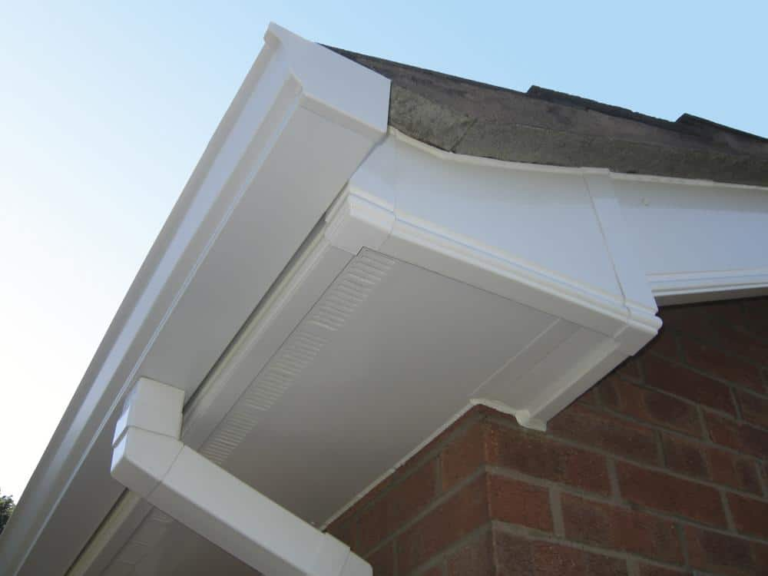
Soffits play a vital function in the performance and visual appeals of a home. They are the horizontal boards that link the siding of your home to the Roofline Services, supplying ventilation and real estate rain gutters while enhancing the architectural appeal. Gradually, nevertheless, soffits can end up being damaged or degraded due to environmental factors, wear and tear, or insects. This post explores the ins and outs of Soffit replacement (https://myspace.com/prisoncereal3), assisting house owners understand when it’s essential, how to select replacement products, and how to carry out the replacement process successfully.
Why Replace Your Soffits?
Soffits are important for a variety of factors:
- Ventilation: They make it possible for air flow in the attic, which helps avoid moisture buildup and insulation deterioration.
- Pest Prevention: Damaged soffits are typically welcoming for critters like birds, insects, and rodents, increasing the danger of invasion.
- Aesthetic Appeal: Soffits contribute to the total look of your home, and harmed or discolored soffits can diminish its appeal.
- Structural Integrity: Properly functioning soffits help maintain the structural stability of the roof and eaves.
Indications You Need Soffit Replacement
Not all soffit concerns require complete replacement, but here are some indicators that it may be time to take action:
| Sign | Description |
|---|---|
| Noticeable Damage | Cracks, holes, or warping in the soffit material. |
| Water Stains | Stains or discoloration indicating wetness concerns. |
| Mold Growth | Presence of mold or mildew due to poor ventilation. |
| Bug Infestation | Indications of insects or droppings around the soffit location. |
| Fading or Peeling Paint | Cosmetic problems that suggest wear and tear. |
Selecting Replacement Materials
When it comes to soffit replacement, selecting the ideal products is critical. Below are some typical products along with their advantages and disadvantages:
| Material | Pros | Cons |
|---|---|---|
| Vinyl | Durable, low maintenance, resistant to rot | Can fade with time, restricted color choices |
| Aluminum | Lightweight, rust-resistant, flexible | Can damage quickly, requires appropriate installation |
| Wood | Visual appeal, excellent insulation properties | High maintenance, vulnerable to rot Fascia And Cladding insects |
| Fiber Cement | Long lasting, fireproof, low maintenance | Much heavier, more expensive |
Elements to Consider
- Climate: Choose materials that endure your local climate condition.
- Cost: Balance between durability and budget plan when choosing materials.
- Aesthetic: Consider the overall appearance of your construction style.
Soffit Replacement Process
If you choose a DIY method, here is a detailed guide to replacing soffits:
Step 1: Gather Supplies
Ensure you have the following tools and materials prepared:
- Ladder
- Security safety glasses and gloves
- Pry bar or screwdriver
- Measuring tape
- Replacement soffit panels
- Roof nails or screws
- Caulk and caulking gun
- Paint (if appropriate)
Step 2: Remove Old Soffit
- Safety First: Use the ladder securely positioned.
- Thoroughly get rid of the old soffit utilizing a crowbar or screwdriver.
- Eliminate any nails or screws holding the old soffit in location.
Action 3: Inspect and Prepare the Area
- Check the area for mold, rot, or insects.
- Make any needed repairs to the underlying structure.
- Guarantee that the attic is well-ventilated.
Step 4: Measure and Cut New Panels
- Procedure the measurements of the location where the new soffit will go.
- Cut your brand-new soffit panels to fit these measurements.
Step 5: Install New Soffit
- Position the brand-new panels in place.
- Use roof nails or screws to protect the new soffit.
- Ensure that joints and joints are sealed effectively to prevent wetness invasion.
Step 6: Finishing Touches
- If you’re using painted soffits, apply paint or an ending up coat as required.
- Tidy the area of particles and guarantee everything is safe and secure.
Maintenance Tips for Longevity
To keep your new soffits in great condition, think about following these maintenance pointers:
- Regular Inspections: Check soffits seasonally for signs of damage or insects.
- Cleaning up: Clean the soffits occasionally to remove dirt and gunk.
- Address Issues Promptly: If you see any damage or wear and tear, address it right away to prevent additional problems.
- Make Sure Proper Ventilation: Keep vents clear to assist in airflow and lower moisture build-up.
FREQUENTLY ASKED QUESTION
1. How frequently should I replace my soffits?The lifespan of soffits depends on the products utilized and environmental aspects, but they typically last between 15 to 30 years. Regular evaluations will assist determine if a replacement is necessary.
2. Can I replace soffits without removing the roofing system?Yes, soffits can be changed without removing the roof as they are set up underneath eaves. Nevertheless, ensure that the procedure does not impact underlying structures.
3. What tools do I require for soffit replacement?Important tools include a ladder, security goggles, gloves, a crowbar, tape measure, cutting tool, and caulk/caulking weapon.
4. Should I work with a professional or DIY?For those with experience in home repairs, DIY can be a feasible alternative. Nevertheless, if the task appears complex or dangerous, employing a professional is suggested.
Soffit replacement is an essential maintenance task that improves both the functionality and appearance of a home. By comprehending the signs of degeneration, picking the proper products, and executing the replacement correctly, house owners can substantially enhance their home. With a proactive technique to maintenance, the new soffits can add to the integrity and appeal of your home for years to come.