Esta empresa no tiene empleos activos
Nosotros
9 Things Your Parents Taught You About Fascia Repair
Soffit and Fascia Repair: A Comprehensive Guide
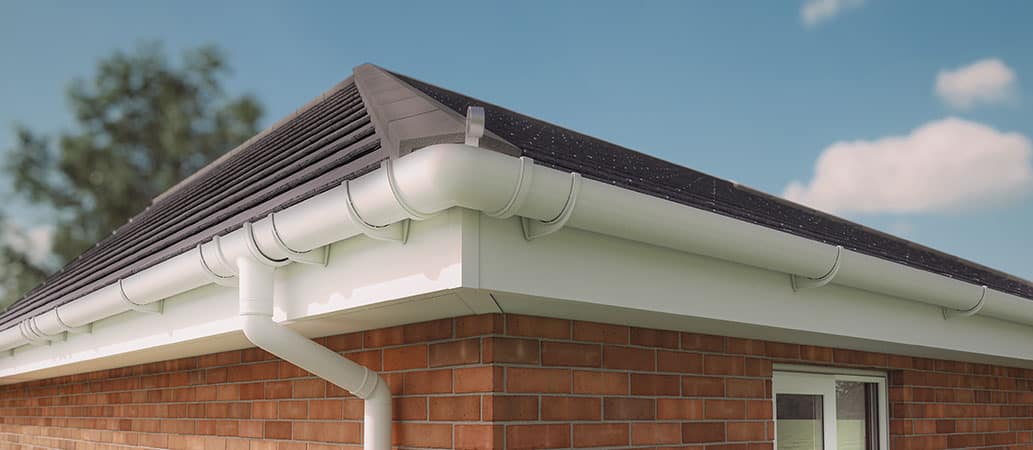
When it pertains to the maintenance and repair of your home, the soffits and fascia might not be the very first things that enter your mind. Yet, these components are critical to the health and longevity of your roof system. Soffits are located beneath the roofing system’s eaves, while Fascia Replacement is the horizontal board that runs along the edge of the roofing. Both play necessary functions in ventilation and protecting your home from the aspects. In time, wear and tear, climate condition, and pests can cause harm that requires prompt attention. In this guide, we will explore the approaches, benefits, and signs of soffit and fascia repair, alongside frequently asked concerns to provide you a well-rounded understanding.
Comprehending Soffit and Fascia
Before diving into repair methods, it’s necessary to understand what soffits and fascia do:
| Component | Description | Function |
|---|---|---|
| Soffit | The underside of the roofing overhang. Frequently made from wood, vinyl, or aluminum. | Provides ventilation to the attic and avoids wetness buildup which can cause mold. |
| Fascia | The vertical ending up edge of the roofing system, typically found at the eaves. | Assists protect the roofing system and gutters, supplying a visual surface while securing against bugs. |
Indications of Damage
Acknowledging the signs of damage early can save you from pricey repairs later. Here are several signs to keep an eye out for:
- Peeling Paint: If the paint is peeling or bubbling, it could recommend moisture build-up, leading to rotten wood beneath.
- Staining: Water stains or discolorations from mold can suggest leakages or wetness invasion.
- Fractures or Holes: Visible spaces or cracks can allow insects like birds and insects to go into.
- Sagging Eaves: If the eaves sag, this might indicate structural weakness due to decay.
- Gutter Issues: If rain gutters are not working properly, it might cause excess moisture affecting the soffit and fascia.
Benefits of Soffit and Fascia Repairs
Repairing and keeping your soffit and fascia is vital for many factors:
| Benefit | Information |
|---|---|
| Improved Ventilation | Correct soffit repair enhances air flow in the attic, lowering heat and moisture accumulation. |
| Visual Appeal | Freshly fixed or changed fascia improves curb appeal and the total appearance of your home. |
| Insect Control | Sealing gaps prevents insects from getting in, safeguarding your home from problems. |
| Preventative Maintenance | Regular repairs extend the life-span of your roof and prevent more serious damage. |
How to Repair Soffit and Fascia
Fixing soffit and fascia might be a job you can handle yourself if you’re comfortable with DIY projects. Here is a detailed guide to assist you through the process.
Materials Needed
- Replacement Fascia Boards soffit or fascia materials (wood, vinyl, or aluminum)
- Caulk and caulk weapon
- Hammer
- Screwdriver
- Measuring tape
- Paint (optional)
- Ladder
Step 1: Inspect and Measure
Begin by inspecting the area where repairs are needed. Procedure the length and width of the damaged soffit or fascia to ensure your replacement products fit correctly.
Step 2: Remove Damaged Sections
Using a screwdriver and hammer, thoroughly remove the broken sections. For wooden components, be conscious of any decomposing that might have taken place.
Action 3: Replace with New Material
Cut your new soffit or fascia to the suitable length. Secure it in place using screws, guaranteeing that it fits snugly versus the existing structure.
Step 4: Seal Gaps
Once the brand-new product remains in place, apply caulk around the edges to develop a waterproof seal. This step is essential for preventing moisture from leaking into vulnerable locations.
Step 5: Paint (optional)
If you are using wood materials or want to enhance the looks of your fascia, use an appropriate exterior paint to safeguard versus the elements.
Step 6: Regular Maintenance
Bring your ladder out occasionally to examine the soffits and fascia for new indications of wear and tear. Dealing with little issues instantly can avoid bigger issues down the line.
FAQs About Soffit and Fascia Repair
1. How often should I inspect my soffit and fascia?
It’s a good idea to examine your soffit and fascia at least once a year, preferably throughout the spring and fall seasons. In addition, check them after severe weather condition events.
2. Can I replace soffits and fascia myself?
Yes, if you are experienced with DIY jobs and the required tools, you can generally manage the replacement yourself. However, if the damage is serious or you feel uneasy, employing a professional is a smart option.
3. What materials are best for soffit and Fascia And Cladding repairs?
Typical materials consist of vinyl, aluminum, and treated wood. Vinyl is popular for its low maintenance, while aluminum offers sturdiness against the aspects.
4. What if I observe rot in my fascia?
If you find rot, it’s crucial to change the damaged sections promptly to prevent further decay and structural damage to your roofing system.
5. Will fixing soffits and Fascia And Cladding affect my home insurance?
Numerous insurance coverage consider well-kept homes less risky, which could possibly lower your premiums. Always seek advice from with your insurance coverage agent for specific guidance regarding your policy.
Soffit and fascia repair is not almost maintaining your home’s curb appeal; it’s about safeguarding your roof and ensuring the structural integrity of your home. Regular examination and timely repairs can prevent considerable problems, conserve you money, and improve overall home convenience. Understanding the signs of damage, repair procedures, and the advantages of preserving these components is vital for every house owner. By following this guide, you can confidently tackle your soffit and fascia issues, adding to the long-term health of your home.