
Esta empresa no tiene empleos activos

Best Miter Saw
Nosotros
What’s The Current Job Market For Mitre Saw Double Bevel Professionals?
Understanding the Mitre Saw Double Bevel: A Comprehensive Guide
Mitre saws are indispensable tools for both professional woodworkers and DIY enthusiasts, boasting exceptional precision and versatility in making angled cuts. Among the various kinds of mitre saws available in the market, the double bevel Best Mitre Saws saw sticks out due to its ability to tilt in both directions, permitting a range of cuts without having to turn the workpiece. This post intends to offer a comprehensive understanding of the double bevel Mitre Table Saw saw, its advantages, and practical applications, enhanced by tables and an FAQ area for clarity.
What is a Mitre Saw?
Before diving into the specifics of the double bevel mitre saw, it is important to comprehend what a mitre saw is. A mitre saw is a power tool that is utilized for making accurate crosscuts and mitres in wood and other materials. It includes a circular saw mounted on a hinged arm, allowing the user to change the angle of the blade.
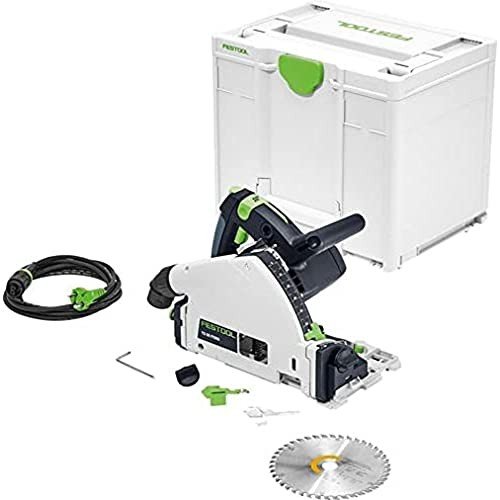
Types of Mitre Saws
- Standard Mitre Saw: Cuts at numerous angles but only in one direction.
- Compound Mitre Saw: Can tilt in one direction, permitting for angled cuts on both the vertical and horizontal aircrafts.
- Double Bevel Mitre Saw: Can tilt in both instructions, allowing more flexibility in making mitre cuts without adjusting the workpiece.
Features of the Double Bevel Mitre Saw
The double bevel mitre saw is created with functions that improve its functionality. The following table sums up the necessary functions:
| Feature | Description |
|---|---|
| Bevel Range | Normally ranges from 0 ° to 45 ° or more, permitting various angles. |
| Blade Size | Typical blade sizes vary from 10″ to 12″. |
| Cutting Capacity | Varies by model but can handle bigger stock sizes. |
| Laser Guide | Some models come geared up with laser guides for enhanced accuracy. |
| Dust Collection | Many include dust ports for cleaner offices. |
| Electric Brake | Stops the blade rapidly for increased safety. |
| Integrated Handle | Assists enhance control and stability throughout cuts. |
Benefits of a Double Bevel Mitre Saw
Buying a double bevel mitre saw offers many advantages that can substantially boost your woodworking jobs:
-
Increased Versatility: The ability to bevel left and ideal provides flexibility, enabling complex cuts without repositioning the product.
-
Improved Precision: The adjustable angles allow precise cuts, adding to cleaner joints and better-fitted pieces.
-
Time Efficiency: Save time on jobs that need numerous angles by removing the requirement to turn the product over.
-
Ideal for Crown Molding: Perfect for cutting crown molding and other trim work, where angles can be difficult.
-
User-Friendly Setup: Many models include easy-to-read digital screens, making it simple for users to set exact angles.
Practical Applications of a Double Bevel Mitre Saw
Double bevel Mitre Saw Double Bevel saws are used thoroughly throughout different woodworking jobs. Below are some common applications:
-
Trim Work: Cutting baseboards, crown molding, and casings with precise angles.
-
Framing: Creating accurate angles for building frames or structures.
-
Furniture Building: Crafting detailed joints and angles in furnishings design.
-
Craft Projects: Ideal for enthusiasts in creating models or creative styles that require accurate angles.
-
Decking: Facilitating the precise cutting of boards for deck structure, particularly around corners.
Maintenance Tips for a Double Bevel Mitre Saw
To ensure the durability and efficiency of a double bevel mitre saw, routine maintenance is essential. The following suggestions are advised:
-
Keep It Clean: Regularly remove dust and particles from the saw utilizing a soft brush or vacuum.
-
Lubricate Moving Parts: Use appropriate lubes on the pivot points and Sliding Mitre Saw parts to ensure smooth operation.
-
Check Blade Condition: Regularly inspect and replace blades as needed to prevent dull cuts and splintering.
-
Test Accuracy: Periodically check the alignment of the saw and make modifications utilizing a square to make sure cuts remain exact.
-
Shop Properly: Keep the saw covered in a dry location when not in usage to protect it from wetness and dust.
Frequently Asked Question about Double Bevel Mitre Saws
1. What is the distinction between a single bevel and a double bevel mitre saw?The primary distinction is that a single bevel saw can just tilt in one direction, while a double bevel can tilt both left and right, allowing more versatility in cutting without rearranging the workpiece. 2. What size blade must I use for a double bevel mitre
saw?Common blade sizes are typically 10″or 12 «. The option of blade size can depend upon the depth of cut you require and the size of materials you’re dealing with. 3. Can a double bevel mitre saw be utilized for rip cuts?No, double bevel mitre saws are not designed for rip cuts.
They are indicated mainly for crosscuts and angled cuts.
4. Are double bevel mitre saws ideal for beginners?Yes, numerous double bevel mitre saws feature functions that improve safety and use,making them ideal for novices managing standard woodworking projects. 5. What extra functions should I search for in a double bevel mitre saw?Look for features like a laser guide for precision, a dust collection system for a tidy work area, and an electric
brake for safety. The double bevel mitre saw is an invaluable tool for anyone included in woodworking, from professionals to hobbyists. Its capability to make versatile, exact cuts effectively can substantially elevate the quality of projects.
By understanding its features, advantages, and upkeep practices, users can optimize the potential of this powerful tool. Buying a dependable double bevel mitre saw can cause improved craftsmanship and more enjoyable woodworking experiences. Delighted cutting!