
Esta empresa no tiene empleos activos

Power Tool UK
Nosotros
You’ll Never Guess This Powertool’s Tricks
The Evolution of Power Tools: Revolutionizing Construction and DIY
In the modern age, power tools have become indispensable across different sectors, including construction, woodworking, automotive, and even home enhancement. These tools, which harness electrical energy or compressed air, have substantially improved efficiency, accuracy, and security in a vast array of tasks. This post digs into the advancement of power tools, their various types and applications, and essential considerations for their use.
A Brief History of Power Tools
The journey of power tools started in the 19th century with the innovation of numerous pioneering gadgets. Although hand tools have been around for centuries, the arrival of electrical energy marked a significant turning point. Here is a short timeline:
| Year | Milestone |
|---|---|
| 1813 | The first electric drill is created by Henry W. Seely, laying the foundation for future power tool technology. |
| 1895 | The very first portable electric drill is developed, transforming drilling and woodworking. |
| 1920s | Intro of pneumatic tools, mostly used in the vehicle market. |
| 1940s | Power tools begin to be commonly utilized in residential jobs. |
| 1980s | Transition from corded to cordless tools starts with advancements in battery innovation. |
| 2000s | Smart technology incorporates into power tools, improving performance and functionality. |
This timeline underscores the transformative journey that power tools have actually gone through, evolving from basic principles into advanced makers that carry out intricate jobs with ease.
Kinds Of Power Tools
Power tools are categorized based on their operational system, and understanding these types can assist in better selection and use of Tools Online Store. Here are some common classifications:
1. Electric Power Tools
Electric tools make use of electrical energy to function. They can be categorized as:
-
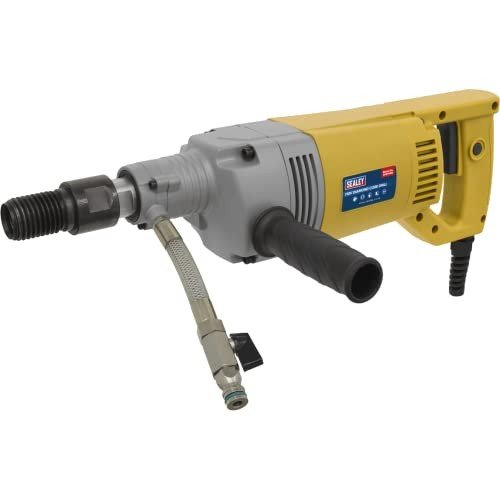
Corded Power Tools: Tools that need a direct connection to the power outlet, such as circular saws, drills, and sanders. These provide endless run time but are limited by cord length.
-
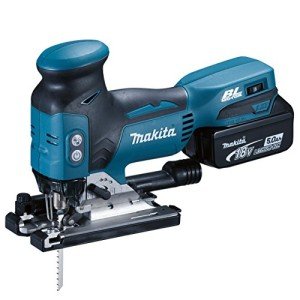
Cordless Power Tools: Battery-operated tools that combine convenience with mobility. Examples include battery-powered drills, effect drivers, and reciprocating saws.
2. Air-Powered Tools
These tools operate on compressed air, especially in industrial settings. Typical examples include pneumatic nailers, effect wrenches, and spray weapons.
3. Specialty Power Tools
These include specific functions and applications:
- Rotary Tools: Such as Dremel, used for cutting, sanding, and polishing.
- Planers: Used for smoothing and forming wood surface areas.
- Laser Levels: Providing precision in leveling and alignment tasks.
4. Enthusiast Power Tools
Crafting enthusiasts take advantage of smaller sized, specialized tools such as die cutters, and mini drills.
5. Programmable and Smart Tools
With technology integration in the 21st century, smart Cheapest Power Tools Online tools can be set for specific tasks, provide security functions, and supply real-time feedback to users.
Applications of Power Tools
The prevalent adjustment of power tools has led to their varied applications throughout numerous markets:
- Construction and Renovation: Essential for framing, roofing, Powertool and flooring. They enhance performance and decrease manual labor.
- Woodworking: Power tools like routers, saws, and jointers enable precision in crafting furniture and cabinetry.
- Automotive: Repairing and assembling cars with tools like effect wrenches and tire changers.
- DIY Home Projects: Homeowners progressively rely on power tools for renovations and repair work, boosting their DIY capacity.
Security Considerations When Using Power Tools
While power tools use various benefits, they likewise present risks if not utilized properly. Here are important security ideas to think about:
- Always checked out the user manual before running any Tool Shop.
- Use Personal Protective Equipment (PPE), such as gloves, safety glasses, and ear defense.
- Keep the office tidy and well-lit to lower dangers.
- Make sure to unplug or eliminate the battery from tools when altering attachments.
- Never bypass security functions set up on the tools.
- Ensure suitable ventilation when utilizing tools that produce dust or fumes.
Frequently Asked Questions (FAQs)
Q1: What is the distinction between corded and cordless power tools?
A: Corded tools require a direct connection to a power source, supplying unrestricted run time however minimal variety. Cordless tools use mobility and benefit but count on battery life and recharging.
Q2: How do I preserve my power tools?
A: Regular maintenance includes cleansing, examining for damaged parts, and lubricating moving parts. Furthermore, follow the producer’s instructions for battery care and storage.
Q3: What security equipment do I require for power tool use?
A: Essential security gear consists of security goggles, ear protection, gloves, and breathing masks for dust control.
Q4: Can I use power tools inside your home?
A: Yes, however ensure sufficient ventilation and use dust collection systems where suitable to lessen threats.
Q5: What should I do if my power tool malfunctions?
A: Stop utilizing the Tool Shops Near Me instantly, unplug it, and seek advice from the user handbook for troubleshooting ideas. If essential, look for professional repair work support.
Power Cheap Tools have undeniably transformed jobs throughout various sectors, enhancing effectiveness and safety throughout the workplace. As technology continues to evolve, standard power tools are becoming smarter and more user-friendly. Understanding their types, functions, applications, and safe handling procedures gears up users with the knowledge required to optimize their effectiveness and safety. With a blend of innovation and responsibility, people can continue to harness the full power of these amazing tools in both expert and DIY jobs.