This company has no active jobs

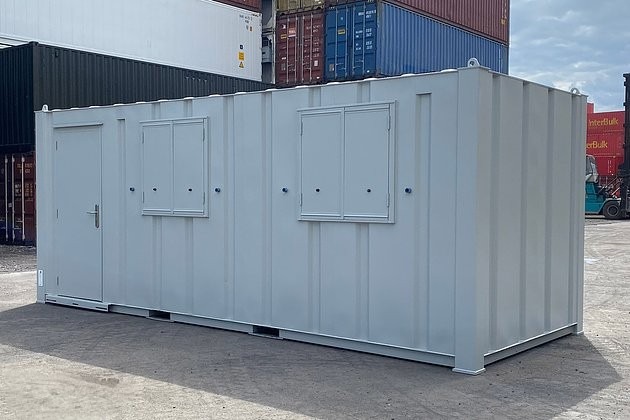
40ft Shipping Container
About Us
You’ll Never Guess This New Shipping Containers’s Benefits

New Shipping Containers: Revolutionizing the Logistics and Supply Chain Industry
Shipping containers have actually become the backbone of international trade, allowing the effective transport of products throughout countries and continents. As logistics and supply chain needs develop, so too do shipping containers. This article will explore the significance of new shipping container styles, innovations, and their effect on the market.
The Evolution of Shipping Containers
Shipping containers have come a long way because their inception in the 1950s. Initially made from steel, the design has broadened to consist of numerous materials, sizes, and functionalities to meet growing needs for effectiveness, security, and sustainability.
Secret Innovations in New Shipping Containers
| Development | Description | Advantages |
|---|---|---|
| Refrigeration Technology | Advanced insulation and cooling systems. | Suitable for disposable items, extending life span. |
| Smart Containers | Geared up with GPS tracking, temperature level sensors, and RFID technology. | Real-time monitoring of cargo conditions and place. |
| Green Containers | Made from sustainable materials and developed for energy effectiveness. | Lowered carbon footprint and environmental effects. |
| Modular Containers | Permits for versatile reconfiguration for diverse cargo types and sizes. | Increased versatility and enhanced area usage. |
| High Cube Containers | Taller than basic containers, supplying more volume within the exact same footprint. | Greater storage capacity for extra-large cargo. |
Kinds Of New Shipping Containers
New shipping containers been available in various types, each crafted for particular transportation needs. Here’s a list of the most common types:
- Standard Dry Containers: The most typical type, used for basic cargo.
- Reefer Containers: Temperature-controlled containers for perishable items.
- Open Top Containers: Designed for large cargo that can not fit through basic doors.
- Flat Rack Containers: Used for heavy loads or equipment that must be protected from above.
- Tank Containers: Specialized for transporting liquids, such as chemicals and food items.
- High Cube Containers: Providing extra vertical space for bulkier items.
Benefits of Using New Shipping Containers
Using new shipping containers offers various advantages to organizations and the supply chain. Some benefits consist of:
- Enhanced Security: Modern containers are built with advanced locking systems, reducing the danger of theft and damage.
- Increased Efficiency: Smart containers enable real-time tracking, improving logistics management and lowering delays.
- Sustainability: Innovations in products and energy efficiency assistance lessen the environmental effect of shipping activities.
- Cost-Effectiveness: Reducing waste and enhancing cargo area lowers transport expenses gradually.
- Versatility: Different container types and configurations deal with a vast array of industries and items.
The Impact of New Shipping Containers on Global Trade
The introduction of new Shipping Container Cost containers has actually dramatically affected worldwide trade practices. According to a report by the Global Maritime Forum, the efficiency gains from the adoption of new Buy Shipping Containers containers have lowered shipping times by up to 30% sometimes. Moreover, the development in e-commerce has increased the need for numerous shipping container types, leading to innovation and competitors among shipping business.
| Metric | Pre-New Modified Shipping Containers Containers | Post-New Shipping Container Delivery Containers |
|---|---|---|
| Typical Shipping Time | 4-6 weeks | 2-4 weeks |
| Cargo Damage Rate | 10% | 2% |
| Fuel Efficiency | Differs | Approximately 10% savings |
| Cost Per Shipment | ₤ 2000 | ₤ 1500 |
| Carbon Footprint (Estimated) | High | 20% lower |
Often Asked Questions (FAQs)
Q1: What products are contemporary shipping containers made from?A1: Modern shipping containers are primarily made from high-strength steel but can likewise incorporate new products like fibreglass and environmentally friendly composites. Q2: How can I track my cargo with a new shipping container?A2: Many new shipping containers come equipped with smart innovation that includes GPS tracking and RFID. These permit shippers to keep an eye on the location and condition of the cargo in real-time. Q3: What types of cargo benefit most from refrigerated containers?A3: Perishable items such as fruits, veggies, dairy, meat, and pharmaceuticals benefit substantially from refrigerated containers, providing the necessary temperature level control to maintain product integrity. Q4: Are there any ecological policies surrounding using shipping containers?A4: Yes, various international regulations govern emissions from shipping and the materials used in container construction.
The International Maritime Organization(IMO) promotes cleaner shipping by presenting guidelines for carbon emissions, encouraging using green containers. Q5: Will new shipping container technology result in higher shipping costs?A5: While initial financial investment in new technology may be higher, the performances gained from lowered shipping times, lower cargo damage rates, and enhanced fuel usage typically lead to
total cost savings for business over time. The shipping container industry is undergoing a vital transformation, with innovations leading the way for a more effective, safe, and sustainable future. By understanding the improvements and kinds of containers available, services can make informed choices that
improve their supply chain operations. As the international marketplace continues to grow, so does the need for transport solutions that fulfill contemporary needs. The development of new shipping containers is not just a trend; it’s a necessary component of the logistics and supply chain landscape.