

Esta empresa no tiene empleos activos
Nosotros
NHS: The Family They Never Had
Among the organized chaos of medical professionals in Birmingham, a young man named James Stokes moves with quiet purpose. His polished footwear move with deliberate precision as he greets colleagues—some by name, others with the comfortable currency of a «hello there.»
James carries his identification not merely as a security requirement but as a symbol of belonging. It sits against a well-maintained uniform that betrays nothing of the challenging road that led him to this place.
What sets apart James from many of his colleagues is not visible on the surface. His demeanor discloses nothing of the fact that he was among the first recruits of the NHS Universal Family Programme—an undertaking crafted intentionally for young people who have experienced life in local authority care.
«It felt like the NHS was putting its arm around me,» James explains, his voice steady but revealing subtle passion. His statement encapsulates the heart of a programme that seeks to revolutionize how the vast healthcare system approaches care leavers—those frequently marginalized young people aged 16-25 who have transitioned from the care system.
The statistics reveal a challenging reality. Care leavers commonly experience poorer mental health outcomes, economic uncertainty, shelter insecurities, and lower academic success compared to their contemporaries. Beneath these impersonal figures are human stories of young people who have maneuvered through a system that, despite good efforts, frequently fails in providing the nurturing environment that shapes most young lives.
The NHS Universal Family Programme, launched in January 2023 following NHS England’s pledge to the Care Leaver Covenant, signifies a profound shift in institutional thinking. Fundamentally, it recognizes that the entire state and civil society should function as a «communal support system» for those who haven’t known the stability of a typical domestic environment.

Ten pioneering healthcare collectives across England have led the way, creating systems that reconceptualize how the NHS—one of Europe’s largest employers—can create pathways to care leavers.
The Programme is meticulous in its approach, beginning with comprehensive audits of existing policies, forming governance structures, and garnering leadership support. It understands that successful integration requires more than noble aims—it demands practical measures.
In NHS Birmingham and Solihull ICB, where James began his journey, they’ve created a reliable information exchange with representatives who can offer support, advice, and guidance on personal welfare, HR matters, recruitment, and EDI initiatives.
The standard NHS recruitment process—rigid and possibly overwhelming—has been thoughtfully adapted. Job advertisements now highlight attitudinal traits rather than numerous requirements. Application procedures have been reconsidered to consider the specific obstacles care leavers might experience—from lacking professional references to having limited internet access.
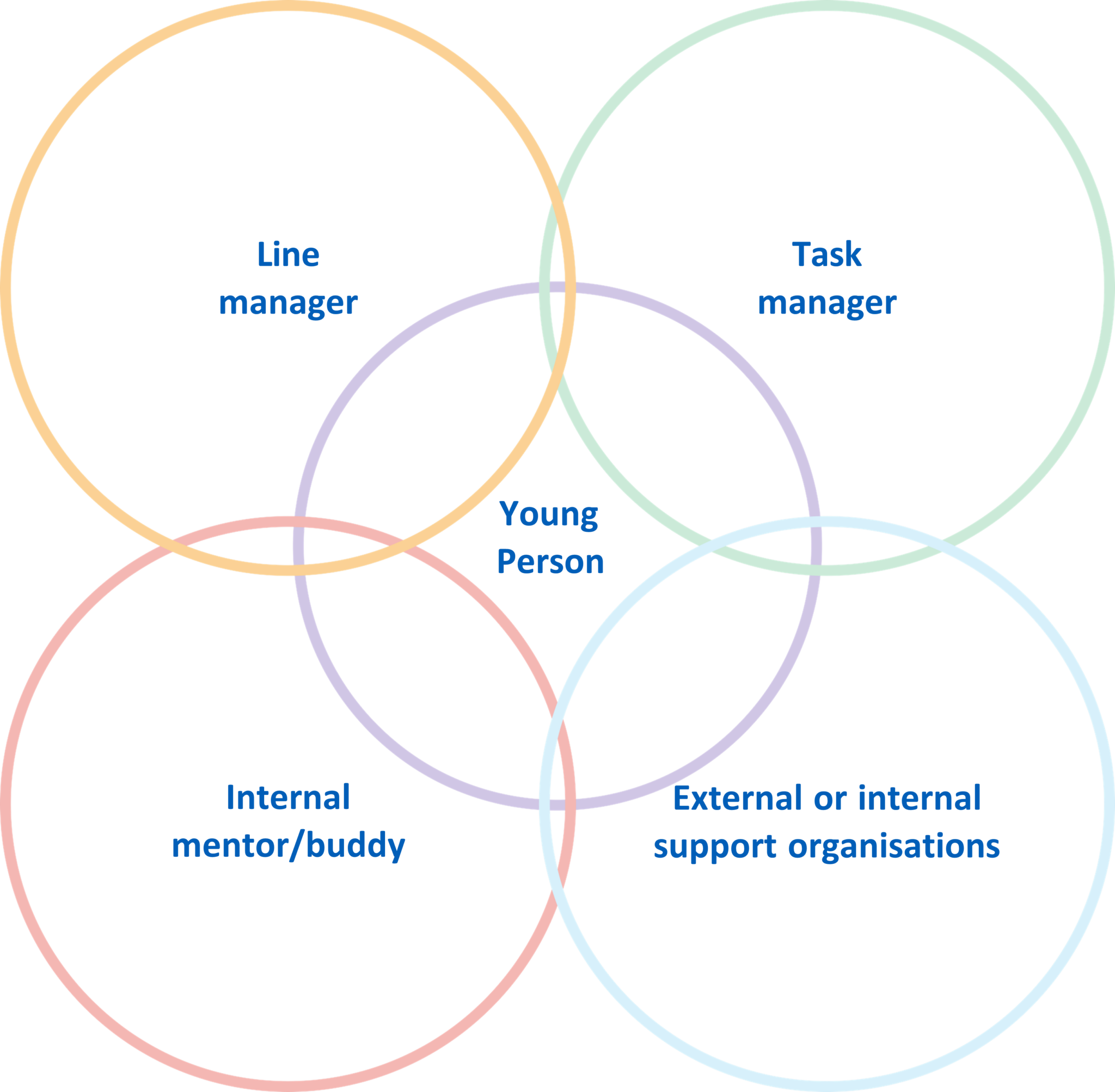
Possibly most crucially, the Programme recognizes that entering the workforce can create specific difficulties for care leavers who may be handling self-sufficiency without the safety net of family resources. Matters like transportation costs, identification documents, and banking arrangements—considered standard by many—can become major obstacles.
The brilliance of the Programme lies in its attention to detail—from clarifying salary details to helping with commuting costs until that essential first wage disbursement. Even seemingly minor aspects like break times and professional behavior are deliberately addressed.
For James, whose professional path has «changed» his life, the Programme delivered more than a job. It gave him a sense of belonging—that elusive quality that emerges when someone senses worth not despite their history but because their unique life experiences enriches the organization.
«Working for the NHS isn’t just about doctors and nurses,» James notes, his eyes reflecting the quiet pride of someone who has discovered belonging. «It’s about a community of different jobs and roles, a family of people who genuinely care.»
The NHS Universal Family Programme represents more than an employment initiative. It functions as a bold declaration that systems can adapt to welcome those who have experienced life differently. In doing so, they not only transform individual lives but enhance their operations through the distinct viewpoints that care leavers provide.
As James navigates his workplace, his presence subtly proves that with the right assistance, care leavers can succeed in environments once thought inaccessible. The support that the NHS has provided through this Programme represents not charity but appreciation of overlooked talent and the fundamental reality that each individual warrants a community that supports their growth.