
This company has no active jobs

Space Saving Treadmill
About Us
How To Tell If You’re In The Right Position For Walking Machine
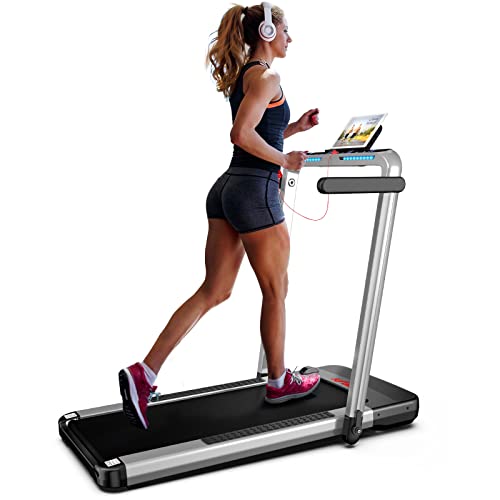
The Walking Machine: A Comprehensive Guide to Your Fitness Companion
In today’s busy world, where time is a high-end, keeping a constant workout routine can be a challenge. For many, a walking machine– frequently referred to as a treadmill– functions as an ideal physical fitness buddy. This article offers a thorough take a look at walking machines, including their benefits, types, maintenance tips, and often asked questions.
Why Choose a Walking Machine?
Walking machines provide a useful and effective way to incorporate cardiovascular workout into every day life. Here are numerous key benefits:
- Convenience: Walking machines allow people to exercise anytime, despite weather or time constraints. They are ideal for busy schedules.
- Versatility: Users can walk, jog, or run at their own speed and strength.
- Security: Walking machines provide a lower threat of injury compared to outdoor walking or running, especially for novices or those recuperating from injuries.
- Tracking Progress: Many treadmills featured integrated monitors that track metrics like speed, range, and calories burned.
Kinds Of Walking Machines
When thinking about a walking machine, it’s vital to choose the ideal type based upon individual physical fitness goals and space restraints. Below are the main kinds of walking machines:
| Type | Description |
|---|---|
| Manual Treadmills | These machines do not have a motor, and users need to walk or go to turn the belt. |
| Electric Treadmills | Powered by an electric motor, enabling users to set the speed and incline effortlessly. |
| folding treadmills uk Treadmills | Created for simple storage, these treadmills can be folded when not in usage. |
| Desk treadmills for home | Perfect for a double work and exercise environment, these compact machines permit walking while working. |
| Slope Trainers | These enable users to mimic uphill walking, boosting exercise intensity and calorie burn. |
Picking the Right Walking Machine
Choosing the Best Sellers walking machine can significantly affect motivation and efficiency. Here are some aspects to think about:
Key Features to Look For
- Motor Power: An effective motor ensures a smooth and consistent exercise. For periodic walkers, a 1.5 HP motor is usually adequate; for much heavier usage, try to find 3.0 HP and above.
- Belt Size: A larger and longer belt supplies more area for a comfortable stride. Requirement sizes vary from 16 inches broad and 50 inches long.
- Slope Options: Adjustable slope settings can imitate walking or running uphill, increasing the intensity of the workout.
- Shock Absorption: Good shock absorption reduces the risk of joint injuries and boosts comfort.
- Console Features: Look for built-in exercises, heart rate monitors, and connectivity features like Bluetooth for a more engaging experience.
Budget Considerations
Walking machines come in a vast array of prices, depending on functions and building and construction quality. Here’s a rough budget plan breakdown:
| Price Range | Functions |
|---|---|
| Under ₤ 300 | Fundamental manual or little electric treadmills with minimal features. |
| ₤ 300 – ₤ 700 | More sophisticated electric treadmills with incline, medium power motors, and better warranties. |
| ₤ 700 – ₤ 1500 | Top quality electric treadmills with larger integrated display screens, comprehensive features, and guarantees. |
| ₤ 1500 and above | High-end designs offering innovative technology, features, and long lasting building for major physical fitness lovers. |
Upkeep Tips for Your Walking Machine
To ensure durability and optimal performance of a walking machine, think about the following maintenance suggestions:
- Regular Cleaning: Dust and sweat can accumulate on the machine and the belt. Clean down the surface areas and clean the belt routinely.
- Lubrication: Depending on the design, lubricating the running belt regularly can prevent wear and tear. Examine the maker guidelines for recommended lubrication schedules.
- Evaluation: Periodically check the machine for loose screws or used parts. Tighten up and change as needed.
- Calibration: Occasionally, examine the calibration of your machine’s metrics to ensure they supply accurate information.
- Proper Use: Follow the manufacturer’s suggestions for weight limitations and operational standards.
Frequently Asked Questions About Walking Machines
1. Are walking machines an excellent workout?
Yes, walking machines offer an excellent cardiovascular exercise, can aid with weight-loss, and enhance overall health.
2. How frequently should I utilize a walking machine?
Go for best at home treadmill least 150 minutes of moderate-intensity aerobic activity per week, which can quickly be attained with routine sessions on a walking machine.
3. Can I drop weight on a walking machine?
Yes, including a walking machine routine into a healthy diet can promote weight reduction, specifically if integrated with periods and incline training.
4. Is it safe for seniors to utilize a walking machine?
Yes, walking machines can be safe for elders with low-impact settings and security features like handrails. However, people must seek advice from their health care provider before starting any exercise program.
5. What’s the distinction between a treadmill and a walking machine?
The term «walking machine» usually refers to a treadmill at home planned for walking, while «treadmill best» can describe machines utilized for various strengths, including running.
With their adaptability and convenience, walking machines can considerably enhance one’s physical fitness journey. By thoroughly selecting the ideal type, guaranteeing proper maintenance, and including different exercise methods, users can maximize their walking machine’s benefits. As with any workout program, consistency is essential to achieving lasting physical fitness outcomes.