
This company has no active jobs

A1 Führerschein Beantragen
About Us
The Most Worst Nightmare About German Driver’s License Provider It’s Coming To Life
Understanding the German Driver’s License Provider
Navigating the procedure of getting a chauffeur’s license in Germany can be both tough and satisfying. As one of the most efficient and regulated transportation systems worldwide, Germany places a strong focus on roadway safety, making the motorist’s license an essential document for locals. This blog post will offer a thorough guide to comprehending the German motorist’s license supplier, the application procedure, and frequently asked questions.
Overview of the German Driver’s License
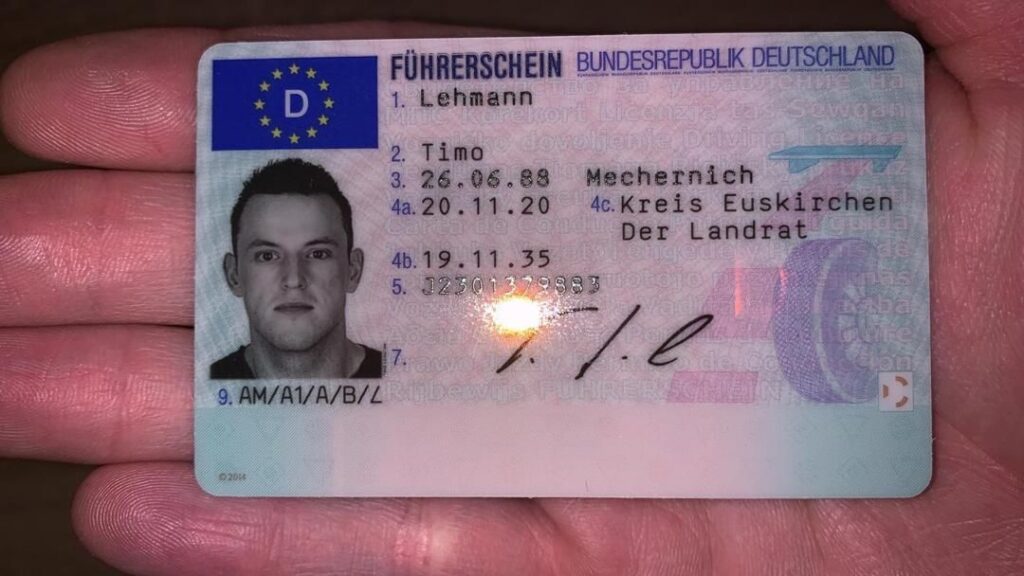
In Germany, a chauffeur’s license (Anmeldung für einen deutschen Führerschein) is issued by designated authorities referred to as Fahrerlaubnisbehörden. The license is classified into a number of classes, primarily based on the type of car the holder is licensed to operate. Comprehending these classes is necessary for Günstiger deutscher Führerschein Internationaler deutscher Führerschein-Shop (view Bmcs) candidates to understand which license they require according to their driving intents.
License Classes
| Class | Car Type | Age Requirement | Description |
|---|---|---|---|
| A | Motorbikes | 24 (or 20 with two years of A2) | Unrestricted motorbike license |
| A1 | Small motorcycles (as much as 125cc) | 16 | Limited bike license |
| B | Vehicles (approximately 3.5 heaps) | 18 | Standard motorist’s license for basic traveler vehicles |
| BE | Cars and trucks with trailers (approximately 3.5 tons) | 18 | Allows pulling trailers exceeding the B class limitations |
| C | Trucks (over 3.5 lots) | 21 | License needed for driving bigger commercial vehicles |
| D | Buses | 24 | License for operating guest buses |
| T | Tractors | 16 | License for running agricultural vehicles |
The Application Process
Getting a driver’s license in Germany involves a number of steps, which might vary somewhat depending on private scenarios and the particular driver’s license being sought. Below is a general summary of the typical application process.
Step-by-Step Process
-
Collect Required Documents
- Recognition (passport or nationwide ID)
- Proof of residency
- Recent biometric passport image
- Vision test certificate
- Very first aid course certificate
-
Enlist in a Driving School
- Identify a regional driving school (Fahrschule)
- Register for theory and practical lessons
-
Total Theory and Practical Training
- Theory classes cover subjects such as traffic guidelines, driving behavior, and unternehmen für deutsche führerscheine ecological considerations.
- Practical lessons supply hands-on driving experience under the guidance of a certified instructor.
-
Take the Theory Test
- The theory test consists of multiple-choice questions that evaluate understanding of traffic laws and safe driving practices.
-
Total Practical Driving Tests
- After passing the theory test, candidates will take a practical driving exam, which is examined by an official inspector.
-
Submit Application for License
- Once all tests are passed, submit the application together with the needed paperwork to the local Fahrerlaubnisbehörde.
-
Receive Your License
- After processing, buy real Driving license experiences the license will be issued, and the candidate can begin driving individually.
Cost Breakdown
| Cost | Estimated Cost (EUR) |
|---|---|
| Driving School Registration | 200 – 600 |
| Theory Test Fee | 20 – 50 |
| Practical Driving Test Fee | 100 – 200 |
| First Aid Course | 30 – 80 |
| Vision Test | 10 – 30 |
| Overall Estimated Cost | 360 – 1050 |
Tips for a Successful Application
- Choose a Reputable Driving School: Research local schools for reviews and success rates.
- Be Punctual and Prepared: Arriving on time and with all needed documents will alleviate the procedure.
- Practice Regularly: Consistent practice will assist build confidence and improve skills.
- Engage with Instructors: Ask concerns and seek feedback from driving instructors throughout lessons.
Regularly Asked Questions (FAQ)
1. For how long does it take to get a German driver’s license?
The time it takes can vary commonly based on individual development. On average, it might take in between three to six months, depending on the variety of lessons needed and the scheduling of tests.
2. Can I utilize my foreign motorist’s license in Germany?
Yes, foreign driver’s licenses are legitimate for a limited period (normally 6 months). After this duration, you might need to transform it into a German license, depending on your home nation.
3. Exist any age constraints for different classes of licenses?
Yes, each class of license has specific age requirements that should be fulfilled before you can use.
4. Is it essential to take a driving course?
While it is possible to take the theoretical examination without attending a driving school, useful driving lessons are advised to guarantee safety and compliance with local laws.
5. What takes place if I stop working the driving test?
If you stop working the dry run, you can retake it, but there will be additional charges involved. Generally, you must wait a specific period before you can reattempt.
Acquiring a German driver’s license can appear difficult, but with the right preparation and understanding of the process, it can be a smooth experience. From choosing the proper driving school to comprehending the kinds of licenses offered, prospects can browse the system successfully. By committing to both theory and practical training, individuals will develop the required abilities to drive safely, adding to Germany’s popular road security requirements. Whether you’re simply beginning your journey or seeking to boost your driving skills, the knowledge shared in this guide acts as a valuable resource for anybody aiming to secure a chauffeur’s license in Germany.