
This company has no active jobs

A1 Führerschein Kosten Schweiz
About Us
How To Get More Benefits Out Of Your Full German Driving License
Navigating the Road to a Full German Driving License: Everything You Need to Know
Driving in Germany can be both a liberating and exhilarating experience. With its effective road network, spectacular landscapes, and properly maintained lorries, acquiring a complete German driving license opens a world of opportunities. This article will supply an extensive overview of the requirements, process, and subtleties related to securing a full German driving license, including useful tables, FAQs, and lists to assist guide interested chauffeurs.
Summary of the German Driving License
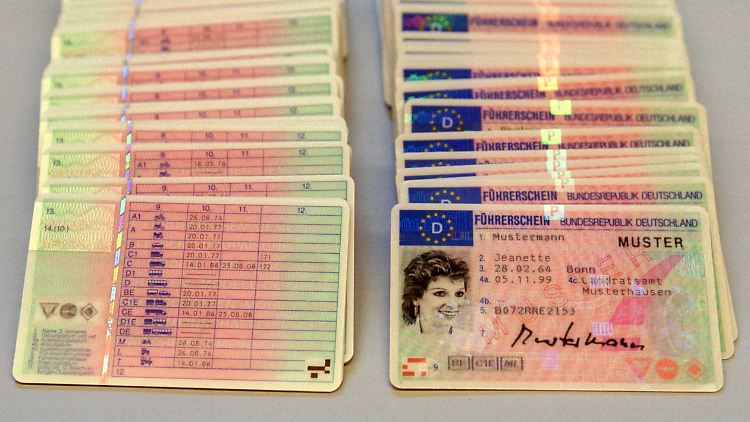
A complete German driving license, or «Echten Rechtliche Fragen zum deutschen Führerschein Legaler deutscher Führerschein kaufen [continue reading this..],» enables people to legally drive lorries on public roadways in Germany and is recognized throughout the European Union and several other nations. The license comes in a number of classes, with the most typical being:
- Class B: For traveler vehicles, vans, and small trucks up to 3.5 tons.
- Class A: For motorcycles.
- Class C: For heavy trucks.
- Class D: For buses.
The most sought-after license amongst expats and residents is Class B, Buy German Driving License Online which permits holders to drive numerous kinds of automobiles.
Requirements for Obtaining a Full German Driving License
1. Age
- Minimum age for Class B: 18 years
- Minimum age for Class A: 24 years (or 20 years with an A2 license)
2. Residency
Candidates must be citizens of Germany. This includes both citizens and immigrants who have a registered address in the nation.
3. Health and Vision Tests
- Health Check: A fundamental health evaluation is required, especially for Class A and for people with specific medical conditions.
- Vision Test: Candidates need to pass a vision test, ensuring they fulfill the minimum eyesight requirements for safe driving.
4. Theoretical and Practical Tests
The driving assessment includes 2 primary parts: a theoretical test and a dry run.
Theoretical Test
- Format: Multiple-choice concerns (normally 30 concerns)
- Passing Score: At least 80% accuracy is required.
Dry run
- Format: An on-road driving assessment conducted by a certified examiner.
- Period: Approximately 45 minutes.
5. Driver’s Education
Before taking the tests, candidates should finish a necessary number of hours in both theory and useful driving lessons.
| Kind of Training | Hours Required |
|---|---|
| Theoretical training | 12-14 hours |
| Practical driving lessons | 12-20 hours |
| Unique driving maneuvers | 2-4 hours |
6. Paperwork
Prospects need to present numerous documents, including:
- Valid identity card or passport
- Proof of residence
- Emergency treatment course certificate
- Vision test certificate
- Finished application kind
The Process of Obtaining a Full German Driving License
Acquiring a complete German driving license involves several actions, which are laid out below:
Step 1: Registration at a Driving School
Prospects need to enroll in a recognized driving school (Fahrschule) where they will receive both theoretical direction and practical driving lessons.
Action 2: Complete Required Training
Prospects must complete the required theoretical and useful lessons laid out in the chart above.
Step 3: Take the Theoretical Test
When the candidate feels prepared, they can arrange the theoretical test. After passing, they will receive a verification to continue to the useful test.
Step 4: Practical Driving Test
Candidates reserve the useful driving test through their driving school. Effective conclusion leads to the issuance of their full driving license.
Step 5: Receive Your Full Driving License
Upon passing the practical test, candidates will require to supply their files to the regional authority (Fahrerlaubnisbehörde) to get their official license.
Expenses Associated with Obtaining a Full German Driving License
The financial element of obtaining a complete driving license differs depending upon numerous elements, including the driving school, the number of lessons taken, and specific situations.
| Expense Type | Approximated Cost (EUR) |
|---|---|
| Driving School Registration | 50-200 |
| Theoretical Lesson Package | 200-400 |
| Practical Lesson Package | 1,000-2,000 |
| Examination Fees for Theoretical Test | 40-70 |
| Exam Fees for Practical Test | 150-250 |
| Emergency Treatment Course Certificate | 20-50 |
| Eye Test | 5-15 |
| Total Estimated Cost | 1,500-3,000 |
Regularly Asked Questions (FAQs)
Q1: How long is the driving license legitimate?
A: A complete German driving license is legitimate indefinitely. Nevertheless, it needs to be renewed every 15 years with a new picture.
Q2: Can I drive with a foreign license?
A: Yes, but for stays longer than six months, you must convert it to a German driving license.
Q3: What should I do if I fail the theoretical or dry run?
A: Candidates can retake the tests. Nevertheless, there may be waiting periods and extra charges involved.
Q4: Is it possible to take the driving test in English?
A: Yes, theoretical tests are readily available in multiple languages, including English. Nevertheless, dry runs are carried out in German, and candidates may need to show conversational proficiency.
Q5: Do I require to take a useful driving course if I already have driving experience?
A: While not mandatory, it is recommended to take a minimum of a few lessons with a regional trainer to familiarize yourself with German driving laws and LöSung für den deutschen Führerschein policies.
Obtaining a full German driving license can be a straightforward process if one is well-informed and prepared. Understanding the requirements, completing the essential training, and sticking to local guidelines are essential steps on the journey to secure this desirable document. Whether it’s for everyday commuting, weekend trips, or checking out Germany’s stunning landscapes, having a complete driving license unlocks to many experiences.