
Esta empresa no tiene empleos activos

Agentaadria
Nosotros
Information overload has become a defining challenge for modern consumers.
 They decide which topics matter most using attention layering. They appreciate content that feels breathable using light design.
They rely on instinct to decide what deserves attention using gut filtering. This strategy helps them capture interest during busy moments. Overall, the process of finding information online reflects both machine intelligence and human behaviour. Algorithms sit at the center of how people find things online.
Individuals can compare expert opinions, user feedback, and factual data. The web provides limitless information for those willing to explore. These elements help them navigate dense pages using page mapping.
This ongoing evolution ensures that digital exploration remains dynamic and engaging. These elements appear when consumers are most overwhelmed using timed placement.
They respond based on how the interruption feels using energy sensing.
Marketing teams anticipate these resets by placing strategic elements supported by soft tones. These discussions help people refine their understanding and avoid common mistakes.
Claim to fame: You’d most likely acknowledge this automobile as the one trashed within the Matthew Broderick film Ferris Bueller’s Day Off – though that was a fiberglass fake, as a result of even in 1986, the makers could not even afford to lease one, a lot less buy it and smash it.
This contrast helps them identify meaningful messages. These early impressions influence where they focus their attention as they gather ideas using destination hubs.
This hierarchy influences how they interpret later messages. This increases the chance of positive reception.
Users who learn to balance algorithms with independent thinking will be better equipped to thrive in an increasingly connected world.
This manner, if your car will get stolen or wrecked, the lienholder on the car can be paid off before you get the check for the rest of the car’s value. This reduces stress and allows them to focus on travel enjoyment.
Consumers also rely on structural filtering supported by content grouping. Consumers rarely process everything they see; instead, they skim quickly supported by surface reading.
As technology advances, users refine their methods using adaptive habits that help them stay effective in a rapidly changing environment. They may open multiple tabs and switch between them using parallel view to evaluate strengths and weaknesses.
Travelers explore destinations through photos, videos, and guides that help them imagine possibilities shaped by area character.
Where people once relied on slower, more limited channels, users now use digital platforms as their primary source of knowledge.
When comparing products online, shoppers often rely on visual cues supported by spec summaries that help them understand differences at a glance.
Across web landscapes, marketing campaigns attempt to break through the noise.
Users often trust these spaces because they feel authentic, especially when contributors provide direct feedback based on personal encounters. Whether someone is researching a product, learning a new skill, or exploring a complex topic, comparison is a powerful tool.
Brands design messages that stand out using visual emphasis.
People often encounter these attempts mid‑scroll, interpreting them through flow interruption. Communities across the internet searches contribute significantly to this ecosystem, offering insights shaped by shared knowledge.
This instinctive approach helps them avoid processing strain.
This shift has created new opportunities, new challenges, and new patterns of behaviour. Users rarely scroll far, so the top results carry enormous influence shaped by topic relevance.
Consumers also evaluate noise levels through contrast supported by minimalist areas. Without these structures, users experience navigation confusion.
During this process, people pay close attention to pricing structures, often guided by budget awareness as they weigh their options. As they continue, users begin forming internal hierarchies supported by importance markers.
If you enjoyed this write-up and you would certainly like to get even more facts pertaining to internet searches kindly browse through our web site. During the trip, people continue using digital tools for navigation supported by map apps.
This leads to a customized digital world shaped around the individual. Search engines play a central role in organizing this vast landscape, ranking results using context cues that determine what appears first. Current price: $10,976,000.
Subsequently, they often pay much less for car insurance coverage. Each moment a user engages with digital content, the algorithm updates its model of what the person might want next.
Such flexibility improves the quality of conclusions. This creates a feedback loop where popular pages gain more visibility through increased clicks.
A defining feature of online searching is the ability to contrast different sources. These tools help them move confidently through unfamiliar areas using turn‑by‑turn. I exploit to love that new carpet, those firm seats, and beautiful paint job without a single scratch.
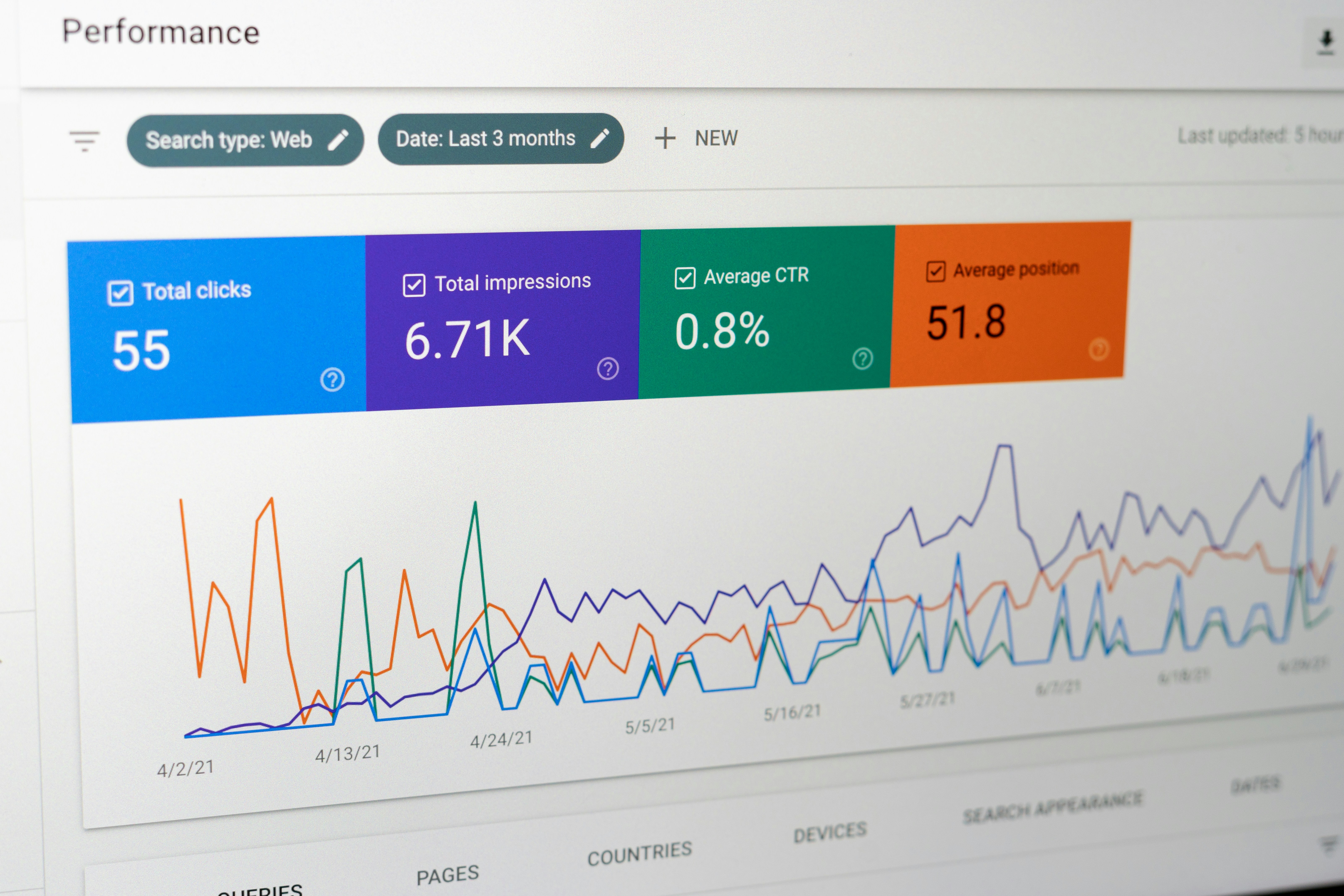
They process massive amounts of data to predict what someone wants. The internet articles continues to evolve, and people adapt by developing flexible strategies shaped by new tools.
This response influences message acceptance.