

This company has no active jobs
About Us
NHS: Belonging in White Corridors
Within the bustling halls of an NHS hospital in Birmingham, a young man named James Stokes navigates his daily responsibilities with subtle confidence. His smart shoes whisper against the floor as he greets colleagues—some by name, others with the universal currency of a «how are you.»
James displays his credentials not merely as an employee badge but as a declaration of acceptance. It sits against a well-maintained uniform that gives no indication of the difficult path that brought him here.
What distinguishes James from many of his colleagues is not obvious to the casual observer. His presence reveals nothing of the fact that he was among the first beneficiaries of the NHS Universal Family Programme—an effort crafted intentionally for young people who have spent time in care.
«I found genuine support within the NHS structure,» James reflects, his voice steady but tinged with emotion. His statement summarizes the essence of a programme that seeks to revolutionize how the massive healthcare system perceives care leavers—those often overlooked young people aged 16-25 who have transitioned from the care system.
The numbers paint a stark picture. Care leavers commonly experience greater psychological challenges, financial instability, shelter insecurities, and lower academic success compared to their contemporaries. Beneath these clinical numbers are personal narratives of young people who have traversed a system that, despite good efforts, regularly misses the mark in providing the stable base that shapes most young lives.
The NHS Universal Family Programme, initiated in January 2023 following NHS England’s promise to the Care Leaver Covenant, signifies a substantial transformation in institutional thinking. At its heart, it acknowledges that the entire state and civil society should function as a «collective parent» for those who haven’t experienced the constancy of a traditional family setting.
Ten pathfinder integrated care boards across England have blazed the trail, developing structures that reimagine how the NHS—one of Europe’s largest employers—can open its doors to care leavers.
The Programme is detailed in its methodology, starting from comprehensive audits of existing policies, establishing management frameworks, and obtaining leadership support. It understands that effective inclusion requires more than lofty goals—it demands concrete steps.
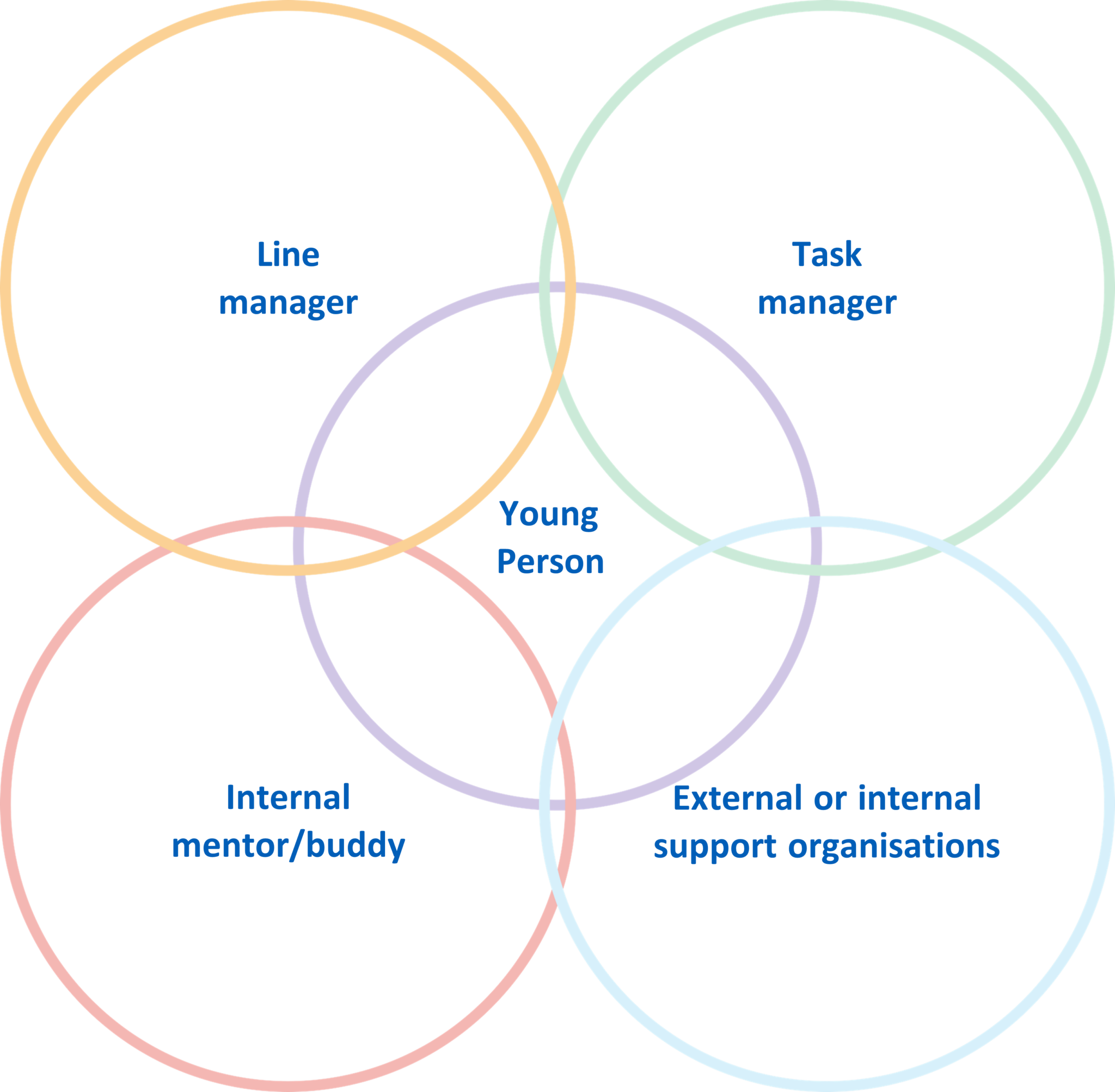
In NHS Birmingham and Solihull ICB, where James started his career, they’ve established a consistent support system with representatives who can provide assistance and counsel on mental health, HR matters, recruitment, and EDI initiatives.
The conventional NHS recruitment process—rigid and often daunting—has been intentionally adjusted. Job advertisements now emphasize character attributes rather than long lists of credentials. Application procedures have been reconsidered to address the specific obstacles care leavers might experience—from not having work-related contacts to struggling with internet access.
Possibly most crucially, the Programme acknowledges that entering the workforce can present unique challenges for care leavers who may be handling self-sufficiency without the backup of familial aid. Issues like commuting fees, identification documents, and bank accounts—assumed basic by many—can become significant barriers.
The brilliance of the Programme lies in its thorough planning—from explaining payslip deductions to offering travel loans until that crucial first wage disbursement. Even ostensibly trivial elements like rest periods and workplace conduct are carefully explained.
For James, whose professional path has «changed» his life, the Programme provided more than employment. It provided him a sense of belonging—that intangible quality that develops when someone senses worth not despite their past but because their particular journey enhances the organization.
«Working for the NHS isn’t just about doctors and nurses,» James notes, his gaze showing the quiet pride of someone who has found his place. «It’s about a community of different jobs and roles, a family of people who genuinely care.»

The NHS Universal Family Programme exemplifies more than an job scheme. It stands as a bold declaration that organizations can evolve to embrace those who have navigated different paths. In doing so, they not only alter individual futures but enrich themselves through the special insights that care leavers contribute.
As James walks the corridors, his participation silently testifies that with the right help, care leavers can thrive in environments once considered beyond reach. The arm that the NHS has provided through this Programme signifies not charity but recognition of overlooked talent and the fundamental reality that each individual warrants a family that champions their success.